
 English


Views: 0 Author: Site Editor Publish Time: 2025-10-13 Origin: Site


Ever wondered how many ounces a Beer Bottle holds? Sizes vary from 12 oz to large growlers. Choosing the right bottle affects serving and storage. In this guide, you will learn standard sizes and tips. We will explore U.S. and international beer bottle volumes.
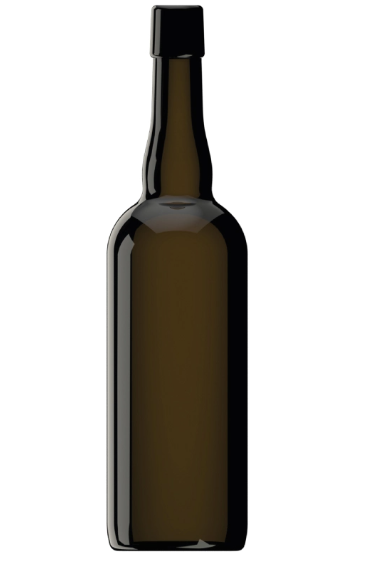
Beer bottles in the U.S. range from small 'nip' bottles to large growlers. The standard beer bottle size in ounces is 12 oz. Most grocery stores sell this size in six- or twelve-packs.
| Bottle Type | Volume | Height | Diameter |
|---|---|---|---|
| Longneck | 12 oz | 9 | 2.4 |
| Stubby | 12 oz | 6.2 | 2.7 |
| Bomber | 22 oz | 11 | 2.9 |
| Large Format | 25.4 oz | 11.9 | 3.3 |
| Growler | 64 oz | 11” | 5” |
It is the most common bottle. Easy to handle and store. Suitable for casual servings.
The 16 oz 'tallboy' fits parties. 22 oz bombers are often craft or specialty beers.
Used for special releases. Comparable to a standard wine bottle.
They allow fresh draft beer to go home. Glass growlers preserve carbonation. Stock a mix of sizes to meet diverse customer needs.
European beers often use 11–12 oz bottles. They suit tasting flights or smaller servings.
British lagers come in 16.9 oz bottles. They offer slightly more than U.S. longnecks.
These 32 oz bottles are popular in Mexico. Great for sharing or events. International size knowledge aids importers and retailers in planning shipments.
Height affects shelf space. Diameter affects how bottles fit in coolers and shelves.
The neck supports closures. Crown caps and swing-tops depend on finish type.
Most bottles have a recessed label panel. Standard sizes vary from 3–6.
Thicker glass prevents breakage. Important for carbonated beers. Measure dimensions before designing packaging or shelving.
Cans offer portability. Bottles are better for presentation and carbonation.
Hybrid formats (32 oz) combine portability with draft freshness.
Bottles show branding. Glass protects taste from light. Consider your target market before choosing bottle or can.
12 oz suits single servings. 22–25 oz bottles are better for sharing.
IPAs often go in 12 or 16 oz bottles. Stouts and sours prefer 22–25 oz.
Fridge space and coolers limit bottle choices. Stackability matters.
Specialty bottles attract enthusiasts. Standard bottles reduce cost. Align bottle size with consumer demand and storage logistics.
Use edge or lighter safely. Avoid excessive force.
Keep upright and cool. Pour slowly to reduce foam.
Glass bottles can be returned or refilled. Growlers are eco-friendly. Encourage recycling programs for sustainability and customer loyalty.
Most U.S. beer bottles hold 12 oz. Specialty bottles range from 7 oz to 64 oz. European and global sizes vary slightly. Understanding beer bottle volume helps with serving, storage and marketing. HYGLASS offers high-quality beer bottles that enhance presentation and preserve freshness. Their products provide reliable performance and add value for brewers and retailers.
A: The standard beer bottle size in ounces is 12 oz, ideal for single servings.
A: Growlers typically hold 64 oz, perfect for sharing or take-home draft beer.
A: Beer bottles vary to suit different servings, beer styles, and storage needs.


