
 English


Views: 0 Author: Site Editor Publish Time: 2026-04-20 Origin: Site


In a market dominated by transparent liquids, the physical packaging does the heavy lifting for brand positioning and pricing power. You cannot rely on natural amber hues to signal quality. Consumer expectations have shifted dramatically in recent years. They no longer want heavy, ornate traditionalism. Instead, buyers demand sustainable, digitally integrated, and tactile experiences. If your packaging fails to engage, your product vanishes in a sea of identical clear liquids.
Right-Weighting is the New Premium: The industry is moving away from hyper-heavy glass toward "quiet luxury" lightweighting, cutting freight costs while meeting strict sustainability protocols.
Tactile & Opaque Disruption: Brands are utilizing custom textures, perfume-grade glass, and opaque color blocking to stand out in a sea of clear bottles.
Digital-First Form Factors: A vodka bottle must now be optimized for 3D digital rendering and AI visual search algorithms as much as the physical shelf.
Supply Chain as a Design Factor: Material scarcity and tariff impacts require packaging designs that are resilient to global logistics bottlenecks.
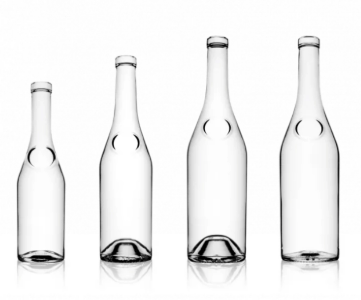
Vodka lacks the natural color variations found in aged spirits. Therefore, the glass architecture serves as the primary driver of perceived value. Industry data indicates nearly 80% of consumers associate glass packaging directly to premium liquor quality. When the liquid itself offers no visual cues, the container becomes the message. Your packaging must immediately telegraph craftsmanship, origin, and exclusivity.
Custom molds require substantial upfront tooling investments. Success relies entirely on balancing this initial CapEx. You must offset tooling costs against the long-term margin expansion gained by repositioning. A custom design helps move a product into a higher pricing tier, such as the $50+ category. This shift justifies the initial mold costs over multiple production runs. Every modern vodka bottle must function simultaneously as a marketing asset and an operational tool. You cannot treat it simply as a vessel.
Brands are increasingly deploying a dual-track product strategy. They launch flagship premium glass designs alongside single-serve or RTD (ready-to-drink) formats. This allows companies to capture both the luxury gifting market and the convenience sector.
Flagship Glass: Drives brand equity, commands high margins, and anchors the luxury identity.
Single-Serve Formats: Encourage low-risk consumer trial, fit into grab-and-go lifestyles, and increase volume.
Unified Aesthetics: Both formats must share core design language to ensure brand recognition across diverse retail environments.
The industry is moving rapidly away from ostentatious, heavy-bottomed containers. Those outdated designs once dominated the premium segment. Today, consumers gravitate toward refined, sensory-driven aesthetics. We call this movement "quiet luxury." It favors minimalism, deliberate craftsmanship, and understated elegance. You no longer need a massive block of glass to prove your product is expensive.
Top distilleries are borrowing concepts from the beauty industry. They are adopting French perfume-grade glass standards. This specialized glass achieves higher luminosity. It provides flawless light refraction. The resulting brilliance elevates the perceived purity of the liquid inside. This cross-pollination proves highly effective for luxury repositioning.
Brands now utilize deep embossing, distressed textures, and frosted finishes. These elements trigger a tactile dopamine response when held. E-commerce platforms naturally limit physical touch. Therefore, the implied texture becomes critical for visual conversion. High-definition product photography must capture these textures. When a buyer can visually imagine the feel of the glass, they are far more likely to convert.
Deep embossing and complex texturing introduce significant manufacturing challenges. These features can increase the fragility of the container. They also create distinct labeling challenges.
Common Mistake: Brands often approve highly textured designs based purely on digital renders. They forget to verify the label application panel. You must ensure your bottling line tolerances can handle complex textures. Otherwise, you risk label wrinkling, misapplication, and costly line stoppages. Verify these tolerances before committing to a final mold.
The era of "heavier equals better" is officially ending. The industry is aligning to strict new environmental standards. For example, prominent sustainability protocols now recommend 420g weight limits for standard 750ml bottles. This shift drastically reduces carbon footprints across the supply chain. Right-weighting proves your brand cares about ecological impact without sacrificing aesthetic appeal.
Lightweighting directly reduces shipping and freight costs. This strategy mitigates the severe impact of rising global logistics expenses. Lighter pallets mean you can ship more units per container. You burn less fuel during transport. Over an annual production cycle, these savings completely transform unit economics.
Transitioning to high-percentage PCR glass offers immense manufacturing benefits. PCR glass lowers melting temperatures inside the furnace. Lower temperatures yield massive energy savings. This efficiency directly improves unit margins over time.
Chart: Traditional vs. Right-Weighted Glass Standards
Packaging Metric | Traditional "Heavy" Premium | Modern Right-Weighted PCR |
|---|---|---|
Average Weight (750ml) | 800g - 1000g+ | Under 420g |
Consumer Perception | Ostentatious, outdated luxury | Eco-conscious, quiet luxury |
Manufacturing Energy | High (Requires virgin sand melt) | Low (PCR lowers furnace temp) |
Freight Economics | High carbon emissions, high cost | Optimized pallet density, lower tariffs |
Decision-makers must ensure the supplier's PCR material maintains exceptional clarity. Premium spirits demand absolute transparency. You must actively avoid unwanted color tints emerging from recycled cullet. Request physical glass drawdowns to verify color neutrality before authorizing mass production.
Roughly 90% of the vodka market relies on transparent, cylindrical structures to show the liquid. This creates massive visual monotony on retail shelves. Forward-thinking brands are employing "anti-common sense" design structures. They break established category rules to capture immediate attention.
Designers utilize two primary methods to break the mold:
Architectural & Sculptural Shapes: Multi-faceted geometric cuts transform the container into art. These designs often resemble carved ice blocks or jagged stalagmites. They interact uniquely with ambient bar lighting, creating striking shadow plays.
Reverse Colorways: Some brands completely abandon transparency. They use completely opaque, dark, or brightly colored glass. This creates severe visual blocking on the shelf. It forces the consumer to pause and investigate.
Radical geometric shapes introduce severe logistical hurdles. They often require customized secondary packaging, such as specialized cartons or protective shippers. Furthermore, unusual center-of-gravity profiles can significantly slow down automated filling lines.
Best Practice: Always calculate the impact on operational throughput before approving a radical shape. A striking stalagmite design might look incredible on a bar cart. However, if it requires manual packing into master cartons, increased labor costs will quickly erase your premium margin.
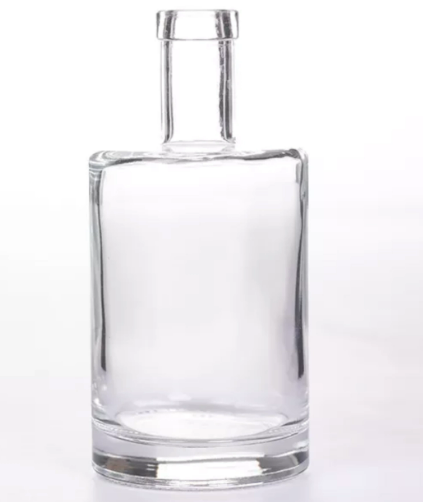
Consumers increasingly use generative AI and visual search engines to discover new beverages. Your packaging must be designed with clean lines. These lines must translate perfectly into high-definition 3D renders. You must optimize metadata embedded in your product imagery. Algorithms favor distinct silhouettes and high-contrast labels.
Smart packaging has moved beyond simple QR codes slapped onto paper labels. True innovation requires integrating technology directly into the physical structure.
NFC Chips in Closures: Embedding chips in heavy stoppers ensures a premium unboxing experience.
Scannable AR Triggers: Designing specific geometries into the glass mold that act as visual markers for Augmented Reality apps.
Recessed Cavities: Engineering the glass to naturally house interactive tags without disrupting the silhouette.
Smart packaging transforms a static container into a powerful first-party data collection tool. It provides unprecedented visibility into post-purchase consumption habits. You can track exactly when and where a bottle is opened. This enables highly localized engagement campaigns and targeted loyalty rewards.
Import tariffs on glass from certain regions severely impact landed costs. You can no longer rely on a single geographical source. Diversifying the supplier matrix is essential for survival. You must model various tariff scenarios during the procurement phase.
Access to high-purity silica sand is concentrating geographically. This scarcity threatens steady supply lines. Evaluate potential suppliers based on their vertical integration. Suppliers who control their raw material security offer far more stability than pure-play fabricators.
When vetting new manufacturing partners, use a strict evaluation framework. Focus on flexibility and compliance.
Do they offer modular mold systems to test new form factors with lower minimum order quantities (MOQs)?
Can they prove absolute compliance with emerging lightweighting and sustainability mandates?
What are their standard lead times for custom tooling versus stock glass adaptation?
Do they have in-house engineering support to adjust designs for automated filling tolerances?
Never bypass the physical testing phases. Request a physical glass drawdown immediately to verify purity. Conduct a rigorous filling line trial to ensure the container travels smoothly through automation. Finally, run comprehensive stress and fragility tests to simulate rough logistics handling.
Modern vodka packaging requires a masterful synthesis of artistic disruption and rigorous supply chain math. You cannot succeed by focusing solely on shelf appeal while ignoring landed costs and environmental mandates. Transitioning to tactile, right-weighted, and digitally optimized designs secures long-term profitability. It elevates brand perception while defending unit margins against rising logistics expenses.
Action Step 1: Audit your current portfolio weight against the emerging 420g standard.
Action Step 2: Model the TCO of implementing a high-percentage PCR strategy.
Action Step 3: Test smart integrations, like NFC closures, on a limited-run flagship product.
Action Step 4: Diversify your supplier matrix to protect against silica sand scarcity and tariff volatility.
Do not treat design and procurement as sequential steps. Involve your glass manufacturer, bottling line engineer, and creative agency simultaneously. This collaborative approach ensures your chosen trend remains highly viable at scale.
A: No, provided the design utilizes "quiet luxury" elements like ergonomic shapes, high-quality closures, and tactile finishes to communicate premium status. Modern consumers increasingly associate thoughtful, right-weighted packaging with eco-conscious sophistication rather than cheapness.
A: Beyond meeting retailer ESG requirements, PCR glass reduces freight weight and energy consumption during manufacturing. Because it melts at a lower temperature, it cuts furnace energy costs, directly improving unit margins over time.
A: NFC tags and AR markers are typically integrated into the closure, the label, or a specialized recess designed into the glass mold. This requires precise tolerance coordination with the bottle supplier to ensure tags survive production and transit.


