
 English


Views: 0 Author: Site Editor Publish Time: 2026-11-11 Origin: Site


Are rising energy costs eating into your plant's profit margins? Strict sustainability targets add heavy pressure to modern glass manufacturing. Finding a viable solution is critical. You need to maintain a competitive edge. Integrating processed recycled streams into your batch formulations offers a direct fix to these pressing issues.
Let us break down the thermodynamic principles behind this shift. We will also explore actionable ways to fine-tune your batch recipes for peak performance on the factory floor.
Before diving into the thermodynamic mechanics and supply chain strategies, we should review the core empirical benefits. Integrating recycled glass into your manufacturing process yields measurable results. The table below summarizes the primary advantages observed across the industrial glass sector.
Operational Metric | Impact of Using Recycled Inputs | Technical Explanation |
|---|---|---|
Furnace Energy | Reduced by 2.5% to 3% per 10% added. | Processed inputs melt at a lower temperature than virgin materials. This requires fewer BTUs or kWh per ton. |
Melting Point | Significantly lowered. | Bypasses the endothermic chemical reactions needed to convert raw minerals into glass. |
Equipment Lifespan | Extended refractory life. | Lower operating temperatures reduce thermal degradation and chemical attack on furnace bricks. |
Product Quality | Zero degradation. | Proper sorting ensures the final product retains full structural integrity and optical clarity. |
CO2 Emissions | Drastic reduction. | Cuts both direct furnace combustion and indirect mining emissions. |
To fully grasp its impact on industrial efficiency, we must define the material accurately. It refers to crushed, cleaned, and rigorously sorted recycled glass. Facilities prepare this specifically for remelting in high-temperature industrial environments. Unlike untreated municipal waste glass, true cullet is a highly processed commodity. Engineers engineer it to meet strict chemical and physical specifications before it ever reaches the plant floor.
The supply chain for this essential material is generally divided into two distinct categories. Each presents its own unique processing requirements and operational dynamics.
Specifically, pre-consumer streams consist of internal industrial scrap generated during the manufacturing process itself. Picture the factory offcuts, rejected transition batches, or parisons that failed to form correctly on the production line. Because it never leaves the controlled environment of the factory, this stream boasts exceptional purity. It requires almost zero secondary processing before being fed back into the melting tank.
In contrast, post-consumer material is recovered from external municipal or commercial recycling programs. It encompasses everyday items ranging from beverage bottles to architectural windowpanes. This glass demands extensive beneficiation. Facilities must strip away contaminants such as paper labels, aluminum caps, and residual plastics. Only then can it safely function as a Raw Material in a precision manufacturing environment.
Historically, the glass industry relied almost exclusively on a foundational mixture of virgin minerals. These primarily included silica sand, soda ash, and limestone. Furthermore, recent industry analyses highlight a definitive shift in global glass manufacturing trends. Market intelligence suggests a stark reality for the next decade. Facilities heavily reliant on virgin silica sand will face insurmountable economic disadvantages.
Escalating costs associated with mining and transporting heavy bulk minerals are a major factor. Coupled with the rapid implementation of carbon taxation in major global markets, traditional batching methods are becoming increasingly unsustainable. Consequently, transitioning to recycled inputs is no longer merely an environmental initiative. It is a fundamental survival strategy. Regulatory landscapes force plant managers to seek out alternatives that bypass the massive thermal input required to calcine limestone and fuse raw sand.
Understanding this market shift naturally leads to the technical mechanics of the melting process itself. The fundamental reason this material slashes operational costs lies deeply rooted in thermodynamics. Crafting glass from scratch is not just a matter of applying intense heat. It involves driving complex, energy-hungry chemical reactions.
Industrial furnaces process virgin batches with massive heat. However, endothermic reactions consume a substantial portion of this applied thermal energy. For instance, calcium carbonate must physically decompose into calcium oxide and carbon dioxide before it can successfully integrate into the glass matrix. This chemical conversion acts as a thermal sponge. It absorbs vast amounts of heat.
Conversely, processed recycled streams have already survived these intense chemical transformations. The material is, chemically speaking, a finished product. Therefore, the furnace is only tasked with supplying the latent heat necessary to transition the solid state into a molten liquid. By completely bypassing those endothermic reactions, the total Furnace Energy demand of the batch drops precipitously.
The temperature differential between fusing virgin minerals and melting recycled inputs is stark. A traditional dry batch typically demands furnace crown temperatures exceeding 1500 degrees Celsius to ensure every grain of sand reacts and homogenizes thoroughly. In stark contrast, processed inputs begin to soften and flow at significantly lower thresholds. This often occurs between 1100 and 1200 degrees Celsius. Maintaining a massive industrial furnace at peak temperatures requires exponentially more natural gas or electrical power. Every percentage point of recycled input directly translates to measurable utility savings.
Beyond simply demanding less peak heat, this material actively accelerates the entire melting cycle. The crushed glass liquefies relatively early in the heating sequence. It forms a highly fluid molten bath that acts as a thermal flux. This liquid environment physically envelops the remaining dry virgin materials. It drastically increases the surface area contact. This synergistic effect helps to dissolve the stubborn silica and limestone much faster than dry radiant heat alone. Ultimately, this shortens the residence time required in the tank and optimizes overall throughput.
Achieving peak operational efficiency requires a highly strategic approach to batch formulation. Plant managers must meticulously calculate the optimal balance between recycled inputs and virgin minerals to protect their bottom line.
The Cullet Ratio is defined as the exact percentage of recycled glass utilized in a specific batch formula compared to the weight of virgin raw materials. For example, operating at a 60 percent ratio dictates that 60 percent of the total batch weight is derived from recycled glass. The remaining 40 percent consists of sand, soda ash, and necessary fining agents.
Empirical data gathered across the container and flat glass sectors firmly supports a standard benchmark rule. For every 10 percent increase in the proportion of recycled glass added, energy consumption drops by an estimated 2.5 to 3 percent.
When a facility aggressively scales from a conservative 20 percent ratio up to a 60 percent ratio, operators can anticipate an energy reduction of roughly 10 to 12 percent. Given the millions of dollars allocated annually for natural gas or electricity to keep these furnaces firing, this reduction yields a massive financial return on investment. However, this lucrative saving must be carefully balanced against localized procurement costs. High-quality, optically sorted material frequently commands a market premium.
Utility savings represent only a fraction of the total financial benefit. Massive industrial melting tanks utilize highly specialized, expensive refractory bricks engineered to withstand inferno-like environments. Constantly pushing a furnace to peak temperatures radically accelerates the degradation of these refractories. This occurs through severe thermal stress and chemical volatilization.
By leveraging a high percentage of recycled inputs, operators can safely lower the crown temperature of the furnace. This intentional reduction in thermal intensity slows down refractory wear. It potentially extends the operational campaign life of a furnace by several years. Delaying a multi-million dollar cold repair or full rebuild saves immense capital expenditure and prevents agonizingly long production downtimes.
The strategic integration of these materials serves as the absolute cornerstone of the glass industry roadmap toward decarbonization. The environmental ripple effects extend far beyond the factory walls. They positively impact the entire global supply chain.
Replacing virgin minerals with Recycled Glass directly impacts two critical categories of corporate greenhouse gas reporting. First, it targets direct emissions resulting from the combustion of fossil fuels within the furnace. It also eliminates the inevitable process emissions released when limestone chemically decomposes. Higher utilization means less fuel burned and less limestone calcined.
In addition, it drastically cuts indirect emissions from the value chain. By weaning the facility off virgin materials, manufacturers effectively eliminate the heavy emissions associated with mining raw minerals. This also removes the footprint of mechanically processing them and transporting bulk freight across oceans and continents.
The conservation of natural habitats is highly measurable and impactful. It is an established standard that for every one ton of recycled glass melted, approximately 1.2 tons of virgin raw materials are left untouched in the earth. This encompasses roughly 1300 pounds of sand, 410 pounds of soda ash, and 380 pounds of limestone. Scaling this metric across a high-capacity production year results in the preservation of thousands of tons of natural resources.
While the thermodynamic and environmental arguments are undeniable, utilizing external waste streams introduces unique operational risks. Plant engineers must manage these through rigorous engineering controls.
The paramount concern for any production manager evaluating post-consumer streams is cross-contamination. Virgin minerals offer absolute chemical predictability. Recycled streams, however, can harbor hazardous foreign matter. If quality control protocols fail, the resulting glass will suffer from critical structural defects. This instantly negates all utility savings through skyrocketing scrap rates.
The most dangerous adversaries in this stream are Ceramics, Stones, and Porcelain, commonly known as CSPs, along with rogue metals. This is especially critical when manufacturing high-end spirits packaging. For instance, creating a flawless 750ml premium vodka bottle demands strict CSP limits to maintain perfect transparency and structural integrity.
Materials like ceramic coffee mug fragments do not melt at the same temperature as standard soda-lime glass. If they slip into the melting tank, they remain entirely solid. They create microscopic stress points in the finished glass. Under pressure, these inclusions act as fault lines, leading to catastrophic product failure. Furthermore, rogue metals like aluminum caps can settle at the bottom of the tank. They potentially drill into the refractory floor or chemically alter the color profile of the entire batch.
To effectively mitigate these severe risks, modern processors deploy highly advanced, automated beneficiation technologies. Optical sorters utilize high-speed cameras and laser spectroscopy to detect and eject non-glass items mid-air. They simultaneously sort the glass by specific color profiles. Powerful magnetic separators and eddy current rotors are strategically deployed to pull both ferrous and non-ferrous metals from the crushing line. Understanding these technological safeguards is vital for manufacturers to ensure the commodity they purchase is genuinely furnace-ready.
As the global manufacturing sector faces increasingly stringent environmental regulations, the technology used to melt glass is undergoing a massive transformation. Traditional regenerative gas-fired furnaces are heavily dependent on fossil fuels. To achieve long-term sustainability, the industry is rapidly pivoting toward electric and hybrid furnace technologies.
All-electric furnaces operate on a fundamentally different thermodynamic principle than their gas-fired counterparts. Instead of relying on overhead combustion to radiate heat down into the batch, electric furnaces utilize the Joule heating effect. Molybdenum or tin oxide electrodes are submerged directly into the glass bath. Because molten glass is an electrical conductor, passing a current through it generates intense internal heat. This melts the batch from the bottom up.
This is where the integration of a high volume of recycled input becomes exceptionally advantageous. Virgin raw materials are notoriously poor conductors of electricity until they reach a fully molten state. In contrast, processed inputs soften and liquefy at a much lower temperature. This rapidly creates a highly conductive liquid pool. This accelerated phase change stabilizes the electrical resistance of the batch much earlier in the melting cycle. Industry data demonstrates that electric furnaces melting batches with high recycled content can achieve thermal efficiencies exceeding 80 percent.
Understanding the thermodynamic benefits is only the first step. The actual realization of these energy and cost savings depends entirely on the physical and chemical quality of the material introduced into the furnace. Plant managers must approach the procurement of Glass Cullet with the exact same rigorous quality control standards applied to virgin minerals.
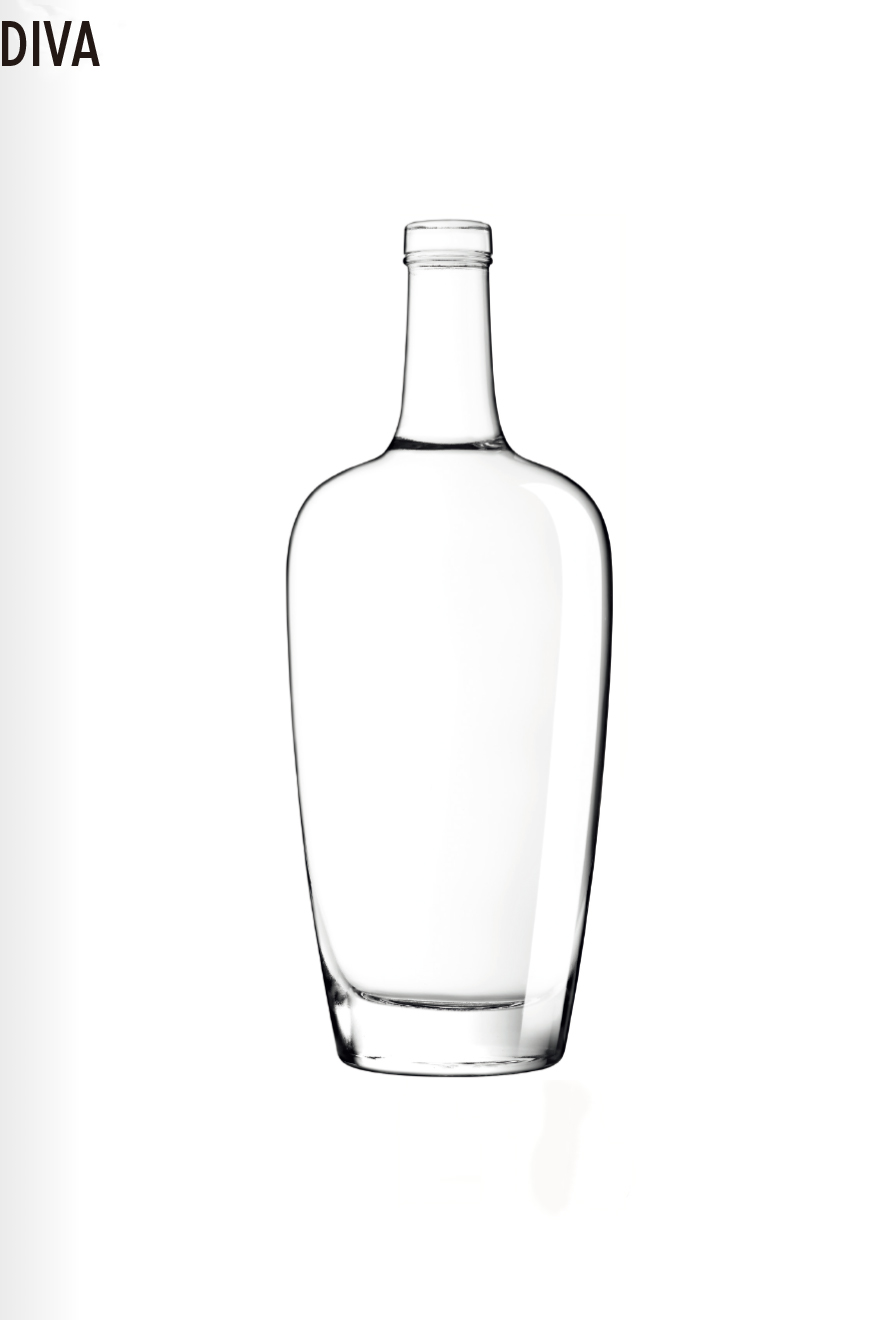
When evaluating a potential supply partner, the primary metric of concern is the contamination rate. Buyers must demand detailed specification sheets guaranteeing CSP levels below 5 grams per ton and organic materials below 0.1 percent. Producing a flawless DIVA style bottle, for example, demands absolute purity to ensure the thick glass base remains crystal clear.
Key evaluation metrics should also include color sorting accuracy. Cross-contamination of colors will ruin the aesthetic clarity of the final product. Additionally, particle size consistency is crucial. The material must be crushed to a uniform size to ensure an even, predictable melting rate within the tank.
Beyond chemical purity, the logistical reliability of the supplier is absolutely paramount. A glass furnace is a relentless beast. It operates continuously, 24 hours a day, 365 days a year. If a facility optimizes its thermal profile to run on a 70 percent ratio, any sudden disruption in the supply chain forces an emergency reversion to virgin materials. This sudden shock requires immediate and complex adjustments to the firing profile. It leads to severe spikes in energy consumption and temporary drops in yield quality.
Transitioning toward a higher ratio of recycled inputs is a highly calculated financial strategy. By fundamentally altering the thermodynamics of the melting process, facilities can drastically cut their energy consumption. You can extend the lifespan of your multi-million dollar furnace infrastructure and insulate your plant against the volatile pricing of virgin raw materials.
As global energy markets continue to fluctuate and environmental regulations tighten, maximizing your batch efficiency will be the defining factor between struggling operations and highly profitable manufacturing. Now is the time to meticulously evaluate your current daily batch recipes. Audit your total furnace energy expenditures and forge strong partnerships with trusted suppliers. For manufacturers looking to source high-end, flawlessly produced glass packaging that meets these exact sustainability and quality standards, we encourage you to explore the premium product lines available at https://www.hy-glasswork.com to find the perfect match for your brand.
No, glass does not experience any structural degradation or loss of strength during the recycling process. Unlike organic polymers found in plastics which weaken each time they are reprocessed, glass is an amorphous solid with a highly stable chemical structure. When it is introduced into a furnace and heated to its melting point, its molecular bonds are completely broken down and reformed into a new liquid state. This thermal resetting process ensures that the newly formed product retains the exact same mechanical strength, chemical resistance, and optical clarity as glass manufactured entirely from virgin minerals.
The ideal ratio is highly dependent on the specific sector of the industry, the design of the melting tank, and the desired optical properties of the end product. For the container glass industry producing bottles and jars, manufacturers frequently operate with ratios ranging from 50 to 80 percent. In regions with highly advanced recycling infrastructures, some specialized container plants have successfully pushed this ratio up to 90 percent. Conversely, the flat glass industry typically utilizes lower ratios due to extremely strict optical clarity requirements.
The thermodynamic energy savings achieved are substantial and highly predictable. Virgin raw materials require significant thermal energy not only to reach their melting point but also to drive the endothermic chemical reactions necessary to form glass. Empirical industry data dictates a standard benchmark. For every 10 percent increase of recycled input added to the batch recipe, the overall energy consumption of the furnace is reduced by approximately 2.5 to 3 percent.
No, different types of glass cannot be universally mixed, and attempting to do so can lead to catastrophic production failures. Glass is manufactured using various chemical formulations depending on its intended application. The most common type is soda-lime glass, used for everyday bottles. However, borosilicate glass commonly used for laboratory glassware has a vastly different chemical composition and melting point. If a batch of soda-lime glass is contaminated with borosilicate fragments, those fragments will not melt at the standard furnace temperature, creating solid knots in the final product.
Standard crushed glass can refer to any shattered glass material, including raw municipal waste that still contains labels, food residue, and mixed colors. Cullet, however, is an industrial-grade raw material. It has been optically sorted by color, magnetically separated to remove metals, washed to remove organics, and crushed to a specific, uniform particle size designed specifically for optimal furnace melting.
It will only affect the color profile if the material is not properly sorted. High-end flint glass, like that used in premium spirits bottles, requires perfectly clear inputs. If amber or green fragments are mixed into the flint stream, the resulting batch will take on an undesirable tint. This is why partnering with suppliers who utilize advanced optical sorting technology is critical for maintaining perfect transparency.


