
 English


Views: 0 Author: Site Editor Publish Time: 2026-04-17 Origin: Site


Vodka brand owners, distillery founders, and procurement managers face a unique challenge in high-end markets. You must sell a luxury experience based on a spirit inherently colorless and unaged. In a highly saturated retail environment, differentiation relies heavily on container psychology. Material integrity also plays a massive role in shaping consumer choice. Buyers often judge your spirit long before they ever taste it.
Selecting a premium vodka glass bottle is not just a vessel procurement decision. It represents a highly strategic investment. We will explore how smart packaging choices directly drive shelf-appeal and guarantee absolute flavor preservation. You will also learn how bespoke bottle designs establish physical brand trademarking. Finally, we outline actionable steps to help you expand profit margins through intelligent supply chain strategies. Modern distilleries cannot afford to treat packaging as an afterthought.
Consumer perception strongly ties heavy, custom glass to $50+ premium price points.
Glass provides an absolute barrier against oxygen, eliminating the aroma sorption and chemical leaching associated with plastics.
Bespoke molds act as physical trademarks, creating an immediate visual moat against competitors.
Evaluating a glass packaging partner requires analyzing mold costs, decoration scalability, and supply chain thermal stability for global export.
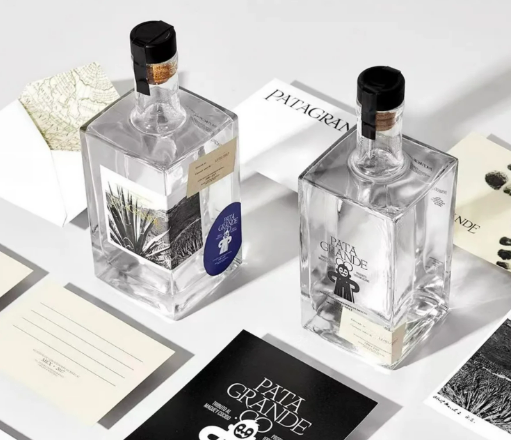
Retail environments are incredibly competitive spaces. Shoppers typically make purchasing decisions within a mere three seconds. During this shelf-to-cart decision window, your product must communicate its price tier instantly. It cannot rely on the paper label alone. The physical structure of the packaging does the heavy lifting.
There is a strong, mathematical correlation between visual cues and pricing power. Consumers actively scan for signals indicating high quality. When they see specific tactile elements, they become far more willing to pay premium prices. You can measure this return on investment (ROI) by tracking how specific container upgrades impact sales volumes at higher price tiers.
We see three primary visual cues driving this price-to-packaging ROI:
Deep Embossing: Raised glass elements signal proprietary craftsmanship.
Textured Surfaces: Frosted or acid-etched finishes imply a permanently chilled, pure liquid.
Unique Silhouettes: Breaking away from cylindrical stock shapes demands immediate visual attention.
Furthermore, high-end spirits are increasingly purchased as display pieces. We call this the "Home Bar Phenomenon." Consumers want products serving as status symbols in residential settings. When you design a beautiful container, buyers leave it out on counters or bar carts. This prominent placement drives organic social proof when guests visit. It ultimately fuels brand loyalty and repeat purchases.
Master distillers spend countless hours perfecting their unaged spirits. You must protect this delicate flavor profile at all costs. Glass remains the absolute gold standard for scientific preservation. It features total chemical inertness. It does not react with high-proof ethanol. When you pour the liquid months or years later, the consumer experiences the exact tasting notes intended by the distillery.
We must contrast this purity against the dangers of plastic containers, such as PET or HDPE. Plastics introduce two massive threats to high-proof alcohol: sorption and microporosity. Sorption occurs when volatile aroma molecules stick permanently to the plastic walls. This strips the spirit of its nuanced nose. Microporosity means the material breathes slightly. It allows oxygen ingress, which stales the liquid. It also allows volatile vapor escape, lowering the overall proof over time.
Preservation Metric | Premium Glass | Standard PET Plastic |
|---|---|---|
Chemical Inertness | Absolute. No leaching of compounds into ethanol. | Low. Risk of acetaldehyde and BPA leaching over time. |
Gas Permeability | Zero. Complete barrier against oxygen ingress. | High. Microporous structure allows oxidation. |
Aroma Sorption | None. Flavor molecules remain suspended in liquid. | High. Essential oils and aromas stick to container walls. |
High-quality glass also acts as a vital supply-chain risk mitigation tool. Global maritime shipping subjects cargo to extreme temperature fluctuations. A standard shipping container sitting in a tropical port can easily exceed 120°F (49°C). Glass maintains complete thermal stability. It does not warp, melt, or release plasticizers into the spirit. Additionally, tinted or specially coated glass protects against photochemical degradation, blocking harmful UV rays from altering the chemical structure of the alcohol.
Consumers rely on mental shortcuts to judge value. One of the most powerful shortcuts in the spirits industry is the "Weight of Excellence" heuristic. Buyers inherently associate a heavier, thick-bottomed container with superior craftsmanship. When they pick up a weighty vessel, their brain registers higher intrinsic value. You can leverage this psychological trigger by specifying a thick glass base, often called a "punt" or "push-up."
The unboxing and pouring ritual involves critical tactile and auditory cues. Think about how the product feels in the hand. Grip ergonomics matter. A well-balanced container feels natural to hold and pour. The texture of frosted or hot-stamped finishes adds a sophisticated tactile dimension. We must also consider auditory feedback. Premium closures, such as heavy alloy stoppers or magnetic caps, create a satisfying "click" or "pop." This sound elevates the anticipation of the first sip.
Finally, we must look at nasal airflow and mouthfeel. The functional design of the bottle neck and lip is not just aesthetic. A well-engineered pour spout influences liquid flow dynamics. It alters how the spirit hits the glass and how aromas disperse into the air. When you control the pour speed, you subtly alter the tasting experience, making it feel smoother and more deliberate.
Moving beyond stock shapes is a crucial step for premium brands. Proprietary silhouettes act as powerful physical trademarks. When you design a bespoke shape, it becomes your intellectual property. This severely complicates counterfeit attempts. Counterfeiters look for easy targets using generic packaging. A complex, custom-tooled design creates an immediate visual moat against competitors and copycats.
Brand owners should evaluate several advanced decoration capabilities when designing their custom vodka bottle. Scalable customization allows you to evolve your visual identity across different flavor profiles or limited editions.
Electroplating & Vacuum Metallization: These processes coat the surface in thin metallic layers, creating a highly reflective, opulent finish perfect for ultra-luxury tiers.
Acid Etching / Frosting: This technique diffuses light. It is crucial for the "pure, chilled" aesthetic synonymous with premium Russian or Nordic-style spirits.
Direct-to-Glass UV Printing & 3D Embossing: UV printing eliminates paper labels entirely. 3D embossing provides raised textures you can feel, integrating the logo directly into the physical structure.
You must also carefully evaluate right-sizing and form factor. Aesthetic height is impressive, but extreme proportions cause logistical nightmares. You must calculate height-to-width ratios for retail shelving constraints. If your product is too tall, liquor stores will relegate it to the top shelf or lay it flat, ruining visibility. Furthermore, consumers want to store their spirits in home refrigerators or freezers. If the vessel does not fit in a standard fridge door, buyers will find it inconvenient and may switch brands.
Eco-friendliness is no longer an alternative marketing angle. Sustainability stands as a baseline expectation for modern luxury consumers. Buyers want indulgence without environmental guilt. If your packaging strategy ignores Environmental, Social, and Governance (ESG) compliance, you will alienate a massive segment of high-net-worth millennials and Gen Z purchasers.
Glass offers a incredible advantage: infinite recyclability. It can be melted down and reformed endlessly without any loss of quality or purity. You should evaluate the integration of Post-Consumer Recycled (PCR) material into your production runs. Utilizing PCR glass lowers the Total Cost of Ownership (TCO) by reducing energy consumption during the melting phase. Participating in circular economies also provides a compelling brand narrative.
Strategy | Primary Benefit | Potential Drawback | Best Use Case |
|---|---|---|---|
Heavy-Weight Glass | Maximizes "Weight of Excellence" perception. | Higher freight costs and carbon footprint. | Ultra-premium, limited-edition runs ($100+). |
Lightweighting (Eco-Glass) | Dramatically lowers shipping carbon emissions. | Risk of feeling "cheap" if not designed well. | High-volume, mid-tier eco-conscious brands. |
Hybrid (Thick Base, Thin Walls) | Balances premium weight with reduced mass. | Requires highly precise manufacturing tolerances. | Flagship premium lines ($40-$80). |
As the chart above illustrates, you face strategic friction between lightweighting and premiumization. Reducing your shipping carbon footprint requires lighter materials. However, maintaining the heavy-weight luxury feel demands more mass. You can solve this by concentrating the glass weight in the base while subtly thinning the shoulder walls. This hybrid approach satisfies both ESG goals and consumer psychological expectations.
Your manufacturing partner dictates the success of your packaging strategy. First, you must calculate the Mold Total Cost of Ownership (TCO) and Minimum Order Quantities (MOQs). Bespoke molds require a significant upfront capital expenditure. However, you must weigh this against long-term unit cost savings at scale. A vendor offering a cheap initial mold might charge inflated per-unit prices. Build a forecasting model covering at least three years of projected volume to find the true break-even point.
Quality Assurance (QA) tolerances separate average suppliers from exceptional ones. You should demand transparency in their QA process. Look closely at glass distribution uniformity. Uneven distribution creates fragile thin spots and optical distortions. Neck finish precision is absolutely vital. If the neck thread or cork opening deviates by even a millimeter, you will suffer catastrophic leakage during shipping. Ask vendors for their historical defect rates and their credit policies for rejected batches.
Best Practice: Always request physical "first-article" samples before authorizing full production. You need to test your chosen closures on the actual glass.
Best Practice: Audit the factory’s annealing process. Proper thermal cooling prevents internal stress fractures in thick glass bottoms.
Common Mistake: Ignoring secondary packaging. A highly unconventional shape might require expensive, custom-die-cut shipping cartons, destroying your freight margins.
Common Mistake: Finalizing the shape without consulting the label applicator. Complex curves can cause paper labels to wrinkle during automated bottling.
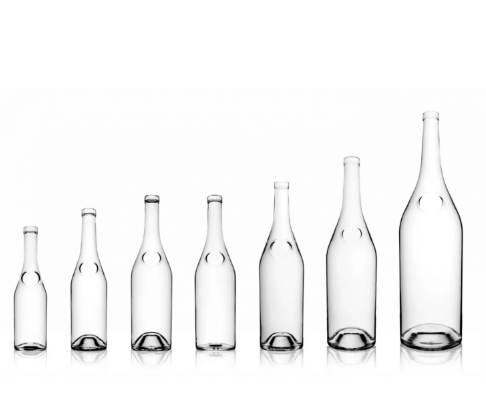
The container you choose serves as the physical embodiment of your brand's premium promise. It bridges the critical gap between the master distiller's craft and the buyer's status expectations. We have seen how glass provides unmatched chemical preservation, ensuring the liquid remains pure. We have also explored how tactile weight, bespoke silhouettes, and advanced decoration techniques mathematically drive pricing power in a crowded market.
To capitalize on these insights, take the following action-oriented steps:
Audit your current packaging weight, clarity, and decoration against direct competitors in your target price tier.
Calculate the ROI of transitioning from a stock shape to a proprietary, trademarked silhouette.
Initiate Request for Proposal (RFP) conversations with manufacturing partners who demonstrate clear expertise in bespoke tooling, UV printing, and rigorous QA tolerances.
Align your packaging weight strategy with your brand’s ESG goals, balancing luxury feel with optimized freight efficiency.
By treating your packaging as a strategic asset rather than a basic commodity, you secure a lasting competitive advantage and secure higher margins for your spirit.
A: Clear glass visually communicates the purity, extensive filtration quality, and crispness inherent to the spirit. Extra-flint clear glass builds immediate consumer trust by showcasing the flawless, unaged nature of the liquid without hiding any imperfections.
A: Yes. Unconventional shapes or overly tall designs may require custom secondary packaging, such as specialized cartons with unique dividers. This reduces overall pallet density, meaning you ship less product per container, which ultimately increases your freight Total Cost of Ownership.
A: Extra-flint, often called super-flint, undergoes a much higher purification process during manufacturing to remove iron and other impurities. This results in crystal-like clarity and high refractivity. This pristine, colorless appearance is essential for ultra-premium positioning.
A: Yes. Unique 3D shapes, distinct silhouettes, and specific embossed patterns can act as trade dress or physical trademarks. This provides strong legal protection against copycats and ensures your packaging remains exclusive to your brand identity.


