
 English


Views: 0 Author: Site Editor Publish Time: 2026-01-11 Origin: Site


Wine enthusiasts, retailers, and brand owners often encounter the question: how many ounces are in a Wine Bottle? Understanding bottle capacities is essential not only for pouring the perfect serving but also for planning events, purchasing for gatherings, or designing packaging for wine brands. Wine Bottles come in many sizes, from the standard 750ml to large-format bottles for celebrations, each influencing servings, aging, and brand perception. This article explores everything you need to know about wine bottle ounces, bottle types, pouring, and the impact of size on wine quality.
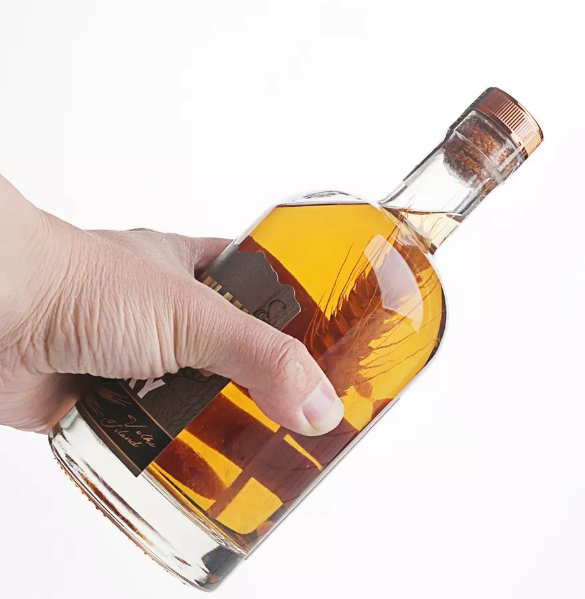
The globally recognized standard Wine Bottle contains 750 milliliters, which is approximately 25.4 ounces. This size became the standard due to historical glassblowing capacities, international trade conventions, and practicality for storing and serving wine. A standard bottle typically serves five 5-ounce servings, though actual pours may vary depending on context.
Consistency across regions and wineries
Simplifies shipping and logistics
Optimizes aging potential in bottles
Provides a manageable serving size for meals or tasting sessions
The 750ml bottle is versatile, used for red, white, and sparkling wines, and has become a benchmark for packaging in the wine industry.
Wine Bottles vary greatly in size, from single-serving mini bottles to enormous formats designed for celebrations or aging. Understanding these sizes is crucial for both consumers and brands.
| Bottle Type | Volume (ml) | Ounces | Equivalent Standard Bottles | Typical Use |
|---|---|---|---|---|
| Split / Piccolo | 187 | 6.3 | 0.25 | Sparkling, single servings |
| Half Bottle | 375 | 12.7 | 0.5 | Dessert wine, casual tasting |
| Standard Bottle | 750 | 25.4 | 1 | Everyday wines, most sales |
| Magnum | 1,500 | 50.7 | 2 | Celebrations, red wine aging |
| Double Magnum / Jeroboam | 3,000 | 101.4 | 4 | Large events, aging |
| Rehoboam | 4,500 | 152 | 6 | Champagne, parties |
| Imperial | 6,000 | 202 | 8 | Bordeaux aging, high-end events |
| Salmanazar | 9,000 | 304 | 12 | Festivals, premium champagne |
| Balthazar | 12,000 | 405 | 16 | Collectible, luxury gifting |
| Nebuchadnezzar | 15,000 | 507 | 20 | Iconic displays, ultra-luxury |
This table shows clearly how the number of ounces increases with bottle size and how many standard bottles each format represents.
The number of glasses depends on the pour size. Typically, a standard serving is 5 ounces. Here’s a detailed breakdown:
| Bottle Size | Ounces | Standard 5oz Servings | Tasting Pour (3oz) Servings | Generous Pour (6oz) Servings |
|---|---|---|---|---|
| Split / Piccolo | 6.3 | 1 | 2 | 1 |
| Half Bottle | 12.7 | 2.5 | 4 | 2 |
| Standard | 25.4 | 5 | 8 | 4 |
| Magnum | 50.7 | 10 | 16 | 8 |
| Double Magnum | 101.4 | 20 | 33 | 16 |
| Imperial | 202 | 40 | 67 | 33 |
| Nebuchadnezzar | 507 | 101 | 169 | 84 |
These calculations are essential for planning events, parties, and tastings, ensuring guests receive adequate servings and helping to avoid overpouring.
The shape of a Wine Bottle influences aging and presentation. Common shapes include:
Bordeaux bottles: Straight shoulders, ideal for long-term red wine aging.
Burgundy bottles: Rounded shoulders, traditional for Pinot Noir and Chardonnay.
Champagne bottles: Thick glass and deep punt, built to withstand pressure.
Specialty bottles: Unique shapes for dessert wines or spirits-style branding.
Although ounces remain constant for the same nominal size, bottle shape affects the perception of volume, wine quality, and brand identity.
Larger bottles like Magnums or Jeroboams age more slowly due to reduced oxygen-to-liquid ratio.
Smaller bottles such as half bottles age faster and are suitable for short-term consumption.
Aging affects tannin development, aroma complexity, and flavor evolution.
A 5-ounce pour is typical in restaurants. For casual settings, a 6-ounce pour may be preferred. Understanding the ounces helps with proper serving sizes.
Example: A 750ml Wine Bottle at 13% ABV contains about 3.3 ounces of pure ethanol. This information helps consumers monitor intake, plan events responsibly, and adhere to legal drinking limits.
Defines perceived value
Influences packaging and logistics
Impacts wine preservation and shelf appeal
Glass color and texture
Neck and shoulder design
Punt depth for sparkling wines
Decoration and labeling space
A well-chosen Wine Bottle balances aesthetics, function, and consumer experience.
For over 30 years, HUAYUE GLASS has specialized in the design and manufacture of high-quality Wine Bottles and glass packaging solutions. Our factories in Guangdong and Chongqing, combined with over 250 skilled workers and engineers, enable us to provide:
Custom bottle design and decoration
Advanced mold development and testing
Luxury packaging for spirits and wine
Efficient production and global delivery
We work with clients worldwide to produce bottles that combine durability, aesthetic appeal, and brand recognition.
1. How many ounces are in a standard Wine Bottle?
A standard Wine Bottle contains 25.4 ounces (750ml).
2. How many servings are in one standard bottle?
Approximately five 5-ounce servings.
3. Does bottle shape affect the number of ounces?
No, the shape influences aging and aesthetics, but the volume stays the same.
4. Which bottle sizes age wine best?
Larger bottles such as Magnums or Jeroboams age wine more slowly and evenly.
5. How do I plan wine for a party using ounces?
Calculate servings based on pour size (5–6 ounces) and multiply by guest number. Use charts to determine required bottles.


