
 English


Views: 0 Author: Site Editor Publish Time: 2026-01-01 Origin: Site


The wine bottle is more than just a container; it is a vital part of the wine experience. From protecting wine during storage to enhancing its presentation, the design and construction of wine bottles play a crucial role. Over centuries, winemakers and glass manufacturers have developed various bottle sizes, shapes, and materials, each serving a specific purpose. Understanding the anatomy of a wine bottle helps collectors, sommeliers, and wine enthusiasts appreciate not only the beverage itself but also the craftsmanship involved.
Wine bottles vary in volume, shape, and design, with certain formats preferred for aging, gifting, or serving specific wine types. Knowledge of bottle anatomy and size names also helps in pairing bottles with appropriate storage solutions and glassware. This guide explores every aspect of wine bottles, from the smallest Split bottle to the massive Nebuchadnezzar, detailing their parts, sizes, shapes, and functions.
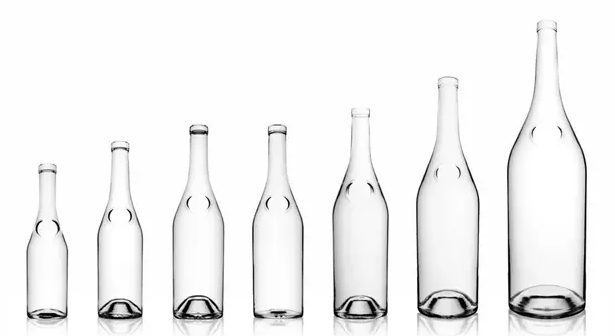
The most common wine bottle holds 750 ml, roughly 25.4 ounces. This volume has been standardized globally for ease of trade, storage, and serving. Historically, the 750 ml size was chosen because it aligns with the capacity of wine-making equipment and fits most storage racks and refrigerators.
A standard 750 ml bottle typically serves 5–6 glasses of wine, depending on pour size. Smaller bottles, like Split or Demi, are used for individual servings or dessert wines, while larger bottles, such as Magnum or Jeroboam, are ideal for celebrations and aging.
Table: Standard Wine Bottle Servings
| Bottle Size | Volume (ml) | Approx. Servings | Typical Use |
|---|---|---|---|
| Split | 187.5 | 1 glass | Champagne, sparkling wine |
| Demi | 375 | 2 glasses | Dessert wine, small servings |
| Standard | 750 | 5-6 glasses | Everyday wines |
| Magnum | 1,500 | 10-12 glasses | Parties, aging |
| Jeroboam | 3,000 | 20-24 glasses | Special occasions |
Small-format bottles are ideal for single servings or specialty wines.
Split (187.5 ml / 1 glass): Common for sparkling wines.
Demi (375 ml / 2 glasses): Used for dessert wines or tasting.
Piccolo (187–200 ml): Often synonymous with Split in Champagne.
Standard (750 ml): Universal for most wines.
Magnum (1.5 L / 2 bottles): Ages wine better due to reduced oxygen exposure.
Large-format bottles are associated with prestige and extended aging.
Jeroboam (3–4.5 L)
Rehoboam (4.5 L)
Methuselah (6 L)
Salmanazar (9 L)
Balthazar (12 L)
Nebuchadnezzar (15 L)
Table: Large Wine Bottle Names and Volumes
| Bottle Name | Volume (L) | Equivalent Standard Bottles | Typical Use |
|---|---|---|---|
| Magnum | 1.5 | 2 | Aging, parties |
| Jeroboam | 3–4.5 | 4–6 | Celebration, Champagne |
| Rehoboam | 4.5 | 6 | Sparkling wine |
| Methuselah | 6 | 8 | Premium displays |
| Salmanazar | 9 | 12 | Large gatherings |
| Balthazar | 12 | 16 | Collector bottles |
| Nebuchadnezzar | 15 | 20 | Iconic large-format wine |
Understanding the anatomy of a wine bottle is essential for appreciating its functionality and aesthetics.
The neck provides structural support and houses the closure (cork or screw cap). Its length influences pouring control and oxygen exposure.
High shoulders, typical of Bordeaux bottles, help trap sediment during decanting. Sloped shoulders, like Burgundy bottles, are more aesthetic.
The main section storing wine. Its shape affects wine presentation and labeling space.
The indentation at the bottle's base. Benefits include increased structural stability, sediment collection, and easier handling.
Thicker glass is used for sparkling wines to withstand pressure.
Color varies: green, amber, or clear, affecting light exposure and wine preservation.
Straight sides, high shoulders.
Suitable for Cabernet Sauvignon, Merlot.
Soft sloped shoulders.
Ideal for Pinot Noir and Chardonnay.
Thick glass, deep punt for pressure resistance.
Enhances sparkling wine longevity.
Examples: Alsace/Mosel for Riesling, Rhône-style bottles for Syrah.
Unique shapes influence aesthetics and wine protection.
Clear, green, or amber glass depending on wine type and UV protection needs.
Sparkling wine bottles have reinforced glass to prevent breakage.
Embossing, etching, and custom labels allow brand differentiation.
Typical serving: 5 oz (150 ml).
Standard 750 ml bottle: 5–6 servings.
Magnum: 10–12 servings.
Ideal: 12–16°C, moderate humidity, away from direct light.
Large bottles age more slowly and evenly.
Table: Bottle Size vs Servings
| Bottle Size | Volume | Standard Serving | Approx. Glasses |
|---|---|---|---|
| Split | 187.5 ml | 5 oz | 1 |
| Demi | 375 ml | 5 oz | 2 |
| Standard | 750 ml | 5 oz | 5–6 |
| Magnum | 1,500 ml | 5 oz | 10–12 |
At HUAYUE GLASS, we specialize in producing premium wine bottles across all sizes—from Split and Demi bottles to large formats like Magnum, Jeroboam, and Nebuchadnezzar. With over 30 years of experience, 5 factories, and 7 production lines, our team delivers customizable, high-quality bottles for Wine, Spirit, Beer, and Vodka.
We also offer in-house design services, helping brands create unique bottle shapes, colors, textures, and decorations that enhance their identity. Serving clients worldwide, HUAYUE GLASS combines technical expertise, elegant design, and reliable production to provide market-ready wine bottle solutions that meet both functional and aesthetic needs.
1. What is the standard volume of a wine bottle?
A standard wine bottle contains 750 ml, roughly 25.4 ounces.
2. What are Magnum and Jeroboam bottles?
Magnum is 1.5 L (2 bottles), and Jeroboam is 3–4.5 L, ideal for aging and celebrations.
3. Why do bottles have punts?
Punts increase stability, collect sediment, and facilitate handling.
4. How many servings are in a standard wine bottle?
Typically 5–6 servings of 5 oz (150 ml) each.
5. Can wine bottles be customized?
Yes. HUAYUE GLASS offers custom shapes, colors, embossing, and closures to match brand identity.


