
 English


Views: 0 Author: Site Editor Publish Time: 2025-12-30 Origin: Site


A Spirit Bottle is more than just a container—it represents both functionality and brand identity in the world of distilled beverages. Spirits, including whiskey, vodka, rum, tequila, and gin, require specialized bottles designed for safety, preservation, and aesthetic appeal. Unlike wine bottles, which often have standardized shapes, spirit bottles vary widely in design, material, and size to reflect the style and quality of the liquor inside.
The choice of a spirit bottle is essential for producers, retailers, and consumers. Proper bottles protect the liquid from contamination, light exposure, and temperature fluctuations, while also communicating the brand’s identity and market positioning. In this guide, we will explore the different aspects of a Spirit Bottle, including its types, anatomy, materials, and design considerations.
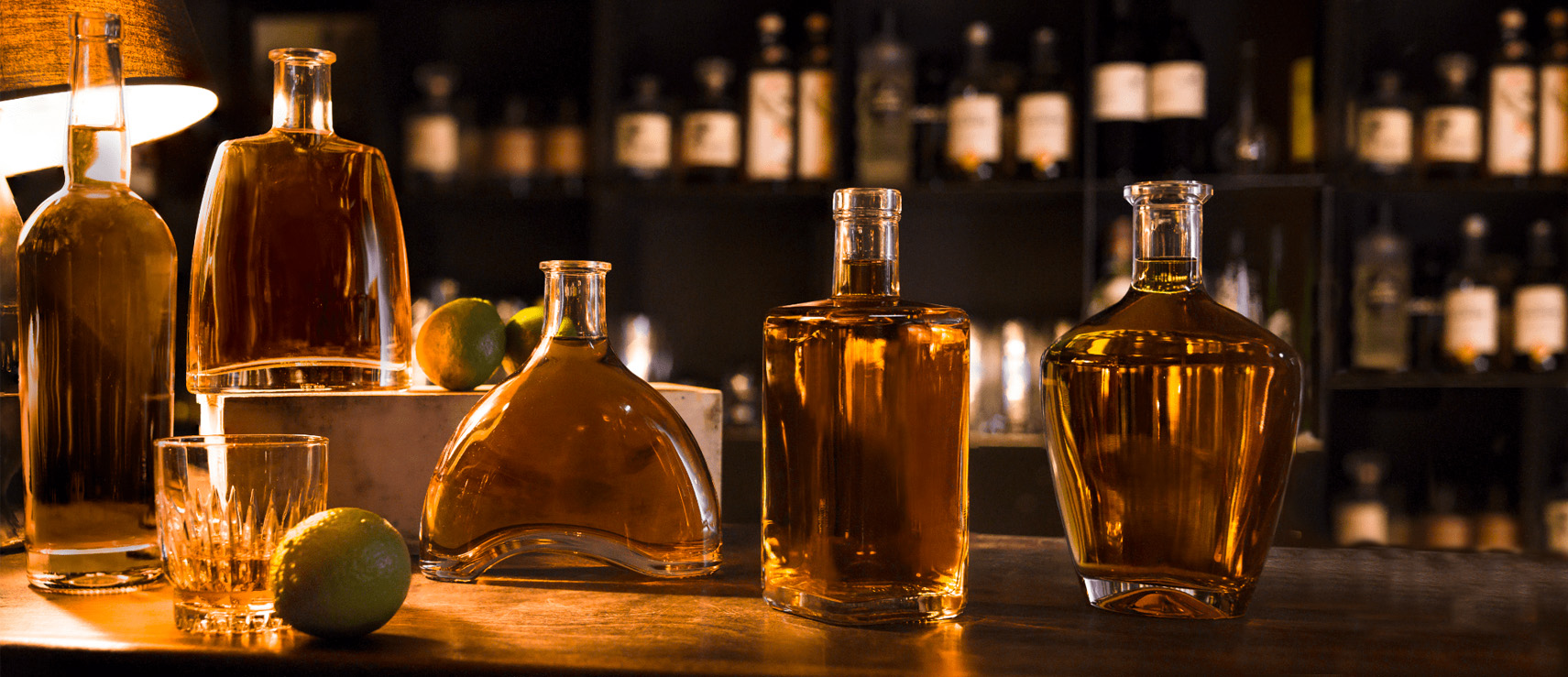
A standard spirit bottle typically holds 700 ml or 750 ml of liquid, depending on regional regulations. This size is popular worldwide for whiskey, vodka, gin, and rum.
Mini bottles, often 50 ml or 100 ml, are used for sampling, gifting, or promotional purposes. They allow consumers to try different spirits without purchasing a full bottle.
Larger bottles, such as 1 L, 1.75 L, or even 3 L bottles, are designed for celebrations, bars, or premium collections. These bottles often include unique packaging and decorative elements to appeal to collectors or high-end markets.
Understanding the anatomy of a spirit bottle helps in appreciating the craftsmanship and design choices.
The neck of a spirit bottle is often shorter and sturdier than a wine bottle’s. It may feature threading for screw caps or reinforcement for cork closures.
Spirit bottles commonly have sharp or sloped shoulders, designed to resist shaking and facilitate pouring.
The body is where branding and labeling are prominently displayed. Many spirits use embossed or etched designs to distinguish themselves.
The base provides stability. Heavier bases are common in premium spirits to give a sense of weight and quality.
Closures vary: cork, synthetic stopper, screw cap, or flip-top. Closure choice affects both preservation and presentation.
High-quality glass ensures no chemical interaction with the spirit. Clear, green, or amber glass is commonly used, depending on protection from light.
Premium spirits often use thicker glass to convey quality and withstand shipping stress.
Embossing, engraving, frosted finishes, and color treatments enhance brand identity and visual appeal.
Common for whiskey and gin, these bottles offer stability, easy stacking, and distinctive branding surfaces.
Round bottles are typical for vodka and rum, providing a traditional look and smooth handling.
Popular for premium or imported spirits, emphasizing elegance and shelf presence.
Distilleries often create unique bottle shapes to reflect brand stories or commemorate special editions.
700–750 ml: Standard retail bottle
5 oz (150 ml) servings: Typically 5–6 servings per bottle
50 ml: 1–2 servings, ideal for tasting
100 ml: Small gift or sample
1 L – 3 L: Multiple servings for bars or collectors
Special editions: Often numbered or labeled for prestige
Table: Spirit Bottle Sizes and Servings
| Bottle Size | Volume | Approx. Servings | Typical Use |
|---|---|---|---|
| Mini | 50 ml | 1 glass | Sampling, promotions |
| Small | 100 ml | 2 glasses | Gifts, travel |
| Standard | 700/750 ml | 5–6 glasses | Everyday retail |
| Large | 1–3 L | 10–24 glasses | Bars, celebrations |
| Collector | 3+ L | 25+ glasses | Premium editions |
The bottle design communicates quality, origin, and target market. Unique shapes and finishes distinguish a brand in a crowded marketplace.
Design choices also consider storage, pouring ease, stacking, and preservation.
Modern spirit producers often focus on eco-friendly glass, lightweight designs, and recyclable materials.
Clear, visually appealing labels are essential. Label placement, size, and finish can enhance shelf impact and comply with regulatory requirements.
Typically heavy, rectangular, or square with thick glass bases for stability and premium feel.
Round or cylindrical, clear glass to showcase clarity and purity.
Variety of shapes, often ornate for dark or spiced rums.
Custom shapes, sometimes with embossed agave designs or corked stoppers.
Tall, elegant bottles to reflect botanical or artisanal character.
Store spirits at a consistent room temperature, away from direct sunlight.
Moderate humidity prevents cork drying and label damage.
Spirits should generally be stored upright to minimize cork contact, except some special-aged bottles.
Avoid shaking or dropping to preserve integrity and clarity.
At HUAYUE GLASS, we specialize in producing high-quality Spirit Bottles across all sizes—from miniature 50 ml bottles to premium large-format bottles. With over 30 years of experience, multiple factories, and advanced production lines, we provide customizable, durable, and elegant bottles for whiskey, vodka, rum, tequila, and other spirits.
Our in-house design team works with clients to create unique bottle shapes, colors, textures, and decorative finishes that enhance brand identity. Serving clients worldwide, HUAYUE GLASS combines technical expertise, quality control, and aesthetic excellence to deliver market-ready spirit bottle solutions for both everyday use and luxury collections.
1. What is a spirit bottle?
A spirit bottle is a container designed specifically for distilled beverages like whiskey, vodka, rum, gin, and tequila.
2. What sizes do spirit bottles come in?
Sizes range from miniature 50 ml bottles to standard 700–750 ml bottles and large 1–3 L formats.
3. Why do spirit bottles vary in shape?
Shapes reflect brand identity, functionality, stacking, and marketing aesthetics.
4. What materials are used for spirit bottles?
High-quality glass is standard, often clear, green, or amber, with thick bases and decorative finishes.
5. Can spirit bottles be customized?
Yes. HUAYUE GLASS offers customizable shapes, colors, textures, embossing, and closures to match brand requirements.


