
 English


Views: 0 Author: Site Editor Publish Time: 2026-11-13 Origin: Site


Glass packaging remains a gold standard for sustainability, safety, and aesthetic appeal in today’s eco-conscious market. Consumers increasingly demand environmentally responsible products. Consequently, brands across the globe are returning to traditional, reliable materials. The journey of Natural Raw Material glass containers begins with the earth itself. We utilize minerals trusted for centuries by master craftsmen and modern engineers alike. The purity of these raw ingredients directly impacts the clarity, structural strength, and overall safety of the final product. Whether a company is packaging luxury cosmetics, perishable food items, or premium beverages, understanding the complete production process helps brands make informed purchasing decisions. By tracing this evolution from raw earth minerals to the final polished container, businesses can better appreciate the immense value of sustainable packaging.
Recent market analyses reveal a massive shift toward circular economy models within the packaging sector. Global regulations are tightening around single-use plastics. Industries such as premium cosmetics, pharmaceuticals, and organic foods are aggressively transitioning back to mineral-based packaging. This shift goes beyond simple regulatory compliance. It is heavily driven by consumer demand for transparency and health-conscious material choices. Manufacturers are investing heavily in optimizing furnace efficiencies and increasing the use of recycled cullet to meet this surging demand sustainably. The engineering focus is now firmly set on reducing the carbon footprint of the melting process while maintaining pristine optical clarity.
Natural raw material glass containers are meticulously crafted using earth-abundant ingredients, primarily relying on silica sand, soda ash, and limestone.
The standard formulation for most commercial packaging is soda lime glass, widely recognized for its exceptional durability, clarity, and chemical stability.
The manufacturing process involves precise batch mixing, extreme heat melting, specialized molding techniques, and careful annealing to prevent shattering.
Using a highly calibrated furnace batch combined with cullet significantly reduces energy consumption and lowers the overall carbon footprint.
Rigorous quality control protocols ensure that every unit is safe, structurally sound, and fully prepared for commercial distribution.
For business-to-business buyers, selecting the right packaging material is a critical bottom-of-funnel decision. Choosing containers made from high-quality natural elements offers distinct advantages that synthetic alternatives simply cannot match.
Chemical inertness is the primary reason industries rely on natural glass. The material is completely non-porous and impermeable. It inherently prevents chemical leaching. This characteristic preserves the absolute integrity, flavor, and efficacy of the product inside. For sectors like skincare and pharmaceuticals, this purity is a strict regulatory requirement rather than just a preference. There is zero risk of microplastics or harmful synthetic chemicals contaminating the enclosed contents.
Glass stands out as a superior eco-friendly option for corporate sustainability goals. It is fully recyclable without any loss of quality or structural integrity. A single container can be melted down and reformed infinitely. Participating in this closed-loop system helps brands appeal to modern eco-conscious consumers. It also ensures compliance with stringent environmental standards.
Material Type | Chemical Inertness | Recyclability | Premium Tactile Feel | Thermal Stability |
|---|---|---|---|---|
Mineral Glass | Excellent (Zero Leaching) | 100% Infinite Loop | High (Heavy weight, cold touch) | High (Can be sterilized) |
PET Plastic | Moderate (Risk of leaching over time) | Degrades after multiple cycles | Low (Lightweight, flexible) | Low (Deforms under high heat) |
Aluminum | Requires internal synthetic coating | High (Highly recyclable) | Moderate (Prone to denting) | High (Conducts heat rapidly) |
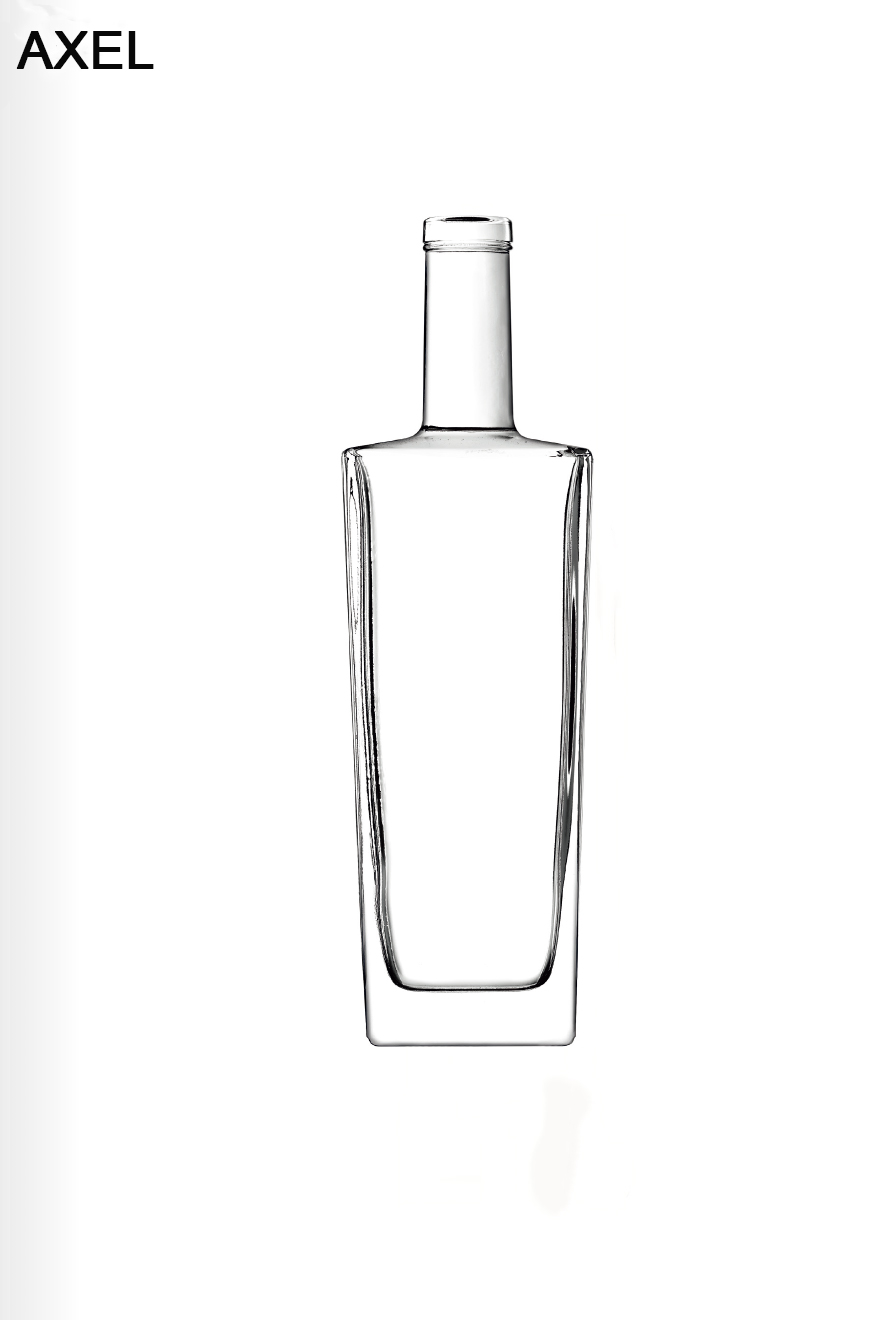
The foundation of any commercial glass product lies in its precise scientific formulation. Specific natural elements must be carefully selected and balanced to achieve the desired physical properties.
Silica acts as the primary glass-forming oxide. It constitutes about 70 to 74 percent of the mixture. This mineral provides the fundamental network structure of the container. Purity is paramount here. Any trace iron impurities can result in an unwanted greenish tint. This must be chemically neutralized if crystal-clear flint glass is the desired outcome.
Pure silica sand has an exceptionally high melting point exceeding 1,700 degrees Celsius. Sodium carbonate is introduced to make the commercial melting process energy-efficient. Acting as a powerful fluxing agent, it significantly lowers the extreme melting point of the silica. This saves massive amounts of fuel on an industrial scale.
Soda ash successfully makes the silica easier to melt. However, it inadvertently renders the resulting mixture water-soluble. Calcium carbonate is added to counteract this highly undesirable trait. Limestone serves as a vital stabilizer. It restores chemical durability and water resistance, creating what is universally known as Soda Lime Glass. This formulation remains the undisputed standard for everyday packaging.
Crushed recycled glass is an indispensable component of modern manufacturing. Because it has already been melted once, cullet liquefies at a much lower temperature than raw virgin minerals. Integrating this into the mix accelerates the overall melting process. Furthermore, it conserves precious natural resources and drastically lowers greenhouse gas emissions.
The initial stage of production demands absolute precision within the batch house before any extreme heat is applied. Massive silos store the dry ingredients on the factory floor. They protect the minerals from ambient moisture and dust.
Advanced computerized weighing systems measure each ingredient down to the exact gram. The precise ratio of the materials is critical. Even a microscopic miscalculation can lead to catastrophic defects downstream. These include trapped air seeds, inconsistent coloring, or brittle walls. The dry ingredients are aggressively blended in heavy-duty industrial mixers to achieve complete homogeneity. This perfectly blended mixture is officially termed the Furnace Batch. Enclosed conveyor belts then continuously transport it directly to the feeding end of the melting furnace.
The dramatic transformation from solid earth minerals to a malleable liquid occurs inside a continuous regenerative furnace. These massive industrial structures are true marvels of engineering. They operate tirelessly around the clock, 365 days a year. Allowing a furnace to cool down would cause the molten liquid to solidify, which would effectively destroy the internal refractory brickwork.
Roaring flames reaching up to 1,500 degrees Celsius subject the raw materials to intense heat. The solid particles undergo decarbonization and melt down into a glowing, homogenous liquid over a carefully timed 24-hour cycle. Thermal dynamics must be perfectly balanced. Slight temperature fluctuations can cause the batch to melt unevenly. This leads to unmelted particles known as stones or optical distortions called cords. Maintaining consistent heat ensures the brilliant clarity expected of premium containers.
The molten liquid is ready to be shaped once it reaches the correct viscosity in the conditioning zone. This phase requires rapid, highly synchronized mechanical movements. The glowing material cools and hardens in a matter of seconds. During commercial Bottle Manufacturing, strict dimensional tolerances must be maintained. Exact neck finish dimensions ensure pump closures and caps fit flawlessly.
Liquid glass flows from the forehearth and is extruded through a bottom orifice. A pair of mechanical shears slices the continuous flow into precise, glowing cylinders known as gobs. Misting water cools the shears operating at lightning speed. Each gob contains the exact volume of material required to form a single container. They drop swiftly into a chute system feeding the Individual Section machine.
The Blow and Blow method is the industry standard for narrow-neck containers like wine and beverage bottles. Compressed air forces the glass upward to form the neck, then downward to expand the material into a hollow pre-shape called a parison. Finally, a mechanical arm inverts the parison into the final blow mold for its ultimate shape.
Conversely, wide-mouth jars and thick-walled cosmetic containers utilize the Press and Blow technique. A physical metal plunger is driven aggressively into the glowing gob instead of relying on compressed air. This physical pressing action ensures highly consistent wall thickness. The plunger retracts, and the parison is transferred to the final mold to be blown into its finished dimensions.
Forming the container is merely half the physical challenge. Cooling it correctly is equally critical. Newly formed containers emerging from the machine are structurally vulnerable. Immense internal thermal stresses develop because the outer surface cools much more rapidly than the inner core. These stresses would cause the glass to spontaneously shatter upon the slightest impact if left to cool naturally.
The glowing containers are immediately transported into a long, tunnel-like oven called an annealing lehr. They are carefully reheated to an annealing point around 550 degrees Celsius to relieve trapped internal stress. The lehr gradually cools the containers down to room temperature across different thermal zones once the temperature is equalized. This controlled thermal treatment guarantees the mechanical strength necessary to survive high-speed automated filling lines.
Containers must undergo a comprehensive suite of quality assurance tests upon exiting the cold end of the annealing lehr. Product reliability is absolutely non-negotiable for B2B buyers.
Modern production facilities rely heavily on high-speed inspection technology. High-resolution optical cameras scan the entire body for microscopic trapped bubbles or unmelted particles as the containers zip along the line. Laser scanners measure the exact dimensions of the neck finish. Concurrently, squeeze testers apply lateral mechanical pressure to verify physical burst strength. A pneumatic arm instantly rejects any unit failing these strict programmed parameters.
Human oversight remains an irreplaceable component of quality control despite sophisticated automation. Trained technicians perform regular randomized sampling directly from the fast-moving line. They conduct manual checks using micrometers and polariscopes. Visual assessments under specialized lighting ensure the overall aesthetic perfection and clarity meet exacting standards.
Preparing the approved items for logistics is the final step. Bulk transportation requires specialized packaging solutions to prevent contamination and micro-scratching during global shipping.
Automated palletizers organize the containers into tightly packed layers on heavy-duty pallets. Industrial-grade corrugated cardboard or sterile plastic pads are carefully inserted between each layer to distribute weight evenly. The entire load is securely bound with high-tensile strapping and wrapped in layers of heat-treated shrink wrap. This immobilizes the cargo and provides a protective barrier against dust and moisture.
Translating manufacturing knowledge into procurement strategy is essential. When sourcing a Glass Bottle for your product line, consider these specific engineering parameters to ensure seamless integration:
Capacity and Weight: Ensure the overflow capacity matches your filling equipment. Luxury cosmetic bottles often feature a heavier glass base for a premium tactile feel, typically weighing between 80 grams to 150 grams depending on the 30ml or 50ml volume requirement.
Neck Finish Specifications: Match the thread standard strictly with your closures. Common standards like 18/415 or 20/400 dictate the exact millimeter dimensions required for leak-proof sealing and pump compatibility.
Surface Treatment Compatibility: If your branding requires frosting, silk-screen printing, or hot stamping, verify that the base flint glass has high optical clarity to ensure color accuracy during post-processing.
Creating premium packaging from raw earth minerals requires extreme heat, precise engineering, and meticulous oversight. A perfectly calibrated mixture guarantees superior results, transforming basic sand into a vessel of elegance and safety. This careful manufacturing orchestration ultimately creates the highest quality commercial packaging available today. For businesses looking to elevate their brand presentation while adhering to sustainability goals, sourcing from reliable industry manufacturers is paramount. Evaluate your specific product requirements, from capacity to neck finish, to ensure seamless integration into your filling lines. Explore the premium packaging solutions at HY Glasswork to discover strategies that protect your product and appeal to today's eco-conscious consumer.
Silica sand is the primary foundational ingredient, making up over 70 percent of the total composition. This essential mineral is supported by soda ash and limestone, which work synergistically to create a durable, clear, and chemically stable final product.
It is the most prevalent type of glass utilized for commercial packaging globally. Manufacturers favor it because it is relatively inexpensive to produce, highly durable, and possesses excellent chemical stability, ensuring it safely holds liquids without degrading over time.
Cullet, which is essentially crushed recycled glass, significantly lowers the melting temperature of the raw batch. By requiring less extreme heat to liquefy, it saves a tremendous amount of energy, reduces greenhouse gas emissions, and minimizes the depletion of virgin natural resources.
Yes, they are exceptionally safe. The material is non-porous, impermeable, and officially classified as Generally Recognized as Safe by regulatory bodies. This guarantees that no harmful chemicals or microplastics will ever leach into your cosmetic formulas or perishable food items.
From the moment the raw batch enters the melting furnace to the final packaging stage, the entire continuous process typically takes about 24 to 36 hours. The melting phase alone accounts for the majority of this time, ensuring all minerals are perfectly liquefied and homogenized.
Color variations are achieved by adding specific metallic oxides to the furnace batch. For example, adding iron, sulfur, and carbon produces amber glass, which offers excellent UV protection. Conversely, chromium oxide is introduced to create vibrant green containers commonly used in the beverage industry.


