
 English


Views: 0 Author: Site Editor Publish Time: 2025-12-23 Origin: Site


The history of beer dates back thousands of years, with early forms of the beverage being consumed from clay pots, wooden barrels, and stone jugs. However, it wasn’t until the 17th century that the beer bottle emerged as a key packaging innovation. Glass beer bottles became the standard for packaging, offering a convenient and effective way to preserve beer’s freshness while protecting it from light and air. Over the years, the design and materials of beer bottles evolved, influenced by advancements in manufacturing and the growing demand for bottled beer. Today, the beer bottle plays a crucial role in shaping the way beer is consumed and distributed worldwide. It allows breweries to reach consumers far and wide, provides a practical solution for storage and transportation, and has even become an iconic symbol of beer culture. From small local breweries to global beer brands, the beer bottle remains an essential part of the industry’s success, offering convenience, quality preservation, and a platform for brand identity.
The history of beer storage and transportation dates back to ancient times, long before the invention of the beer bottle. Early beer was mainly stored and transported in casks and stone jugs, which played a key role in both preservation and distribution.
The cask, typically made of wood, was the primary vessel for storing beer. These sturdy barrels could hold large quantities, making them ideal for breweries. While casks helped preserve beer, they were less effective than modern glass bottles at protecting beer from light and air. Despite this, casks were essential for beer production for centuries, and beer was often aged in them to develop its flavor.
For smaller batches or local consumption, stone jugs and clay pots were commonly used. Sealed with cloth, leather, or wax, these vessels were used to store and serve beer in taverns or for private use. However, they didn’t provide the same level of preservation as casks or modern bottles, leading to a shorter shelf life for beer stored in these jugs.
In taverns and inns, beer was traditionally served directly from large barrels or casks. Instead of being bottled, beer was poured from the barrel into mugs, pitchers, or tankards using a tap or spigot. This method was efficient for high volumes and fostered a social drinking culture, where people shared drinks directly from the barrel in communal settings.
While casks and jugs were effective for local beer production, they were limited in preserving and transporting beer over long distances. It wasn’t until the 17th century that glass beer bottles emerged, marking a shift toward individual packaging and wider distribution. This innovation allowed beer to be stored longer, shipped farther, and consumed more conveniently, ushering in a new era for the beer industry.
The 17th century marked a pivotal moment in beer packaging with the introduction of glass beer bottles. Before this, beer was primarily stored in casks and stone jugs, but the growing demand for beer and the need for longer-lasting storage solutions led to the development of glass bottles.
Glass beer bottles were introduced in the 17th century as advancements in glassmaking allowed for more practical, durable containers. Glass offered a significant improvement over previous materials, providing a more reliable way to preserve beer. Unlike casks or stone jugs, glass bottles could protect beer from light, air, and contaminants, helping to maintain its freshness and quality.
Glass became the preferred material for beer bottles because it is impermeable, preventing air and moisture from entering and affecting the beer. Unlike wood or ceramic, glass does not interact with the beer, preserving its taste and freshness. This made it an ideal choice for long-term storage and distribution.
In the early days of glass bottles, corks were used to seal the beer, similar to wine bottles. Corks helped create an airtight seal, preserving the beer’s freshness. However, corks could become loose or brittle, allowing air to seep in. The invention of the crown cap in the late 19th century replaced corks and became the standard for sealing beer bottles. This metal cap, invented by William Painter in 1892, tightly sealed the bottle, ensuring beer stayed fresh for longer.
The Industrial Revolution in the 19th century was pivotal in the mass production of beer bottles. Before this era, beer was typically stored in casks or jugs. However, with advancements in machinery and manufacturing, beer bottles could be produced on a larger scale, transforming the beer industry.
During the Industrial Revolution, new bottle-making machines made glass bottles more affordable and widely available. This allowed breweries to bottle beer in large quantities, expanding distribution beyond local markets. As demand for bottled beer grew, mass production became essential for meeting consumer needs.
A key innovation during this period was the bottle cap, invented by William Painter in 1892. Corks, once used to seal bottles, were unreliable as they could become brittle and allow air into the bottle, spoiling the beer. The bottle cap provided a better, airtight seal, preserving the beer for longer and making it easier to open with a simple bottle opener.
With the bottle cap, sealed bottles replaced corked ones, improving beer preservation and shelf life. This change helped increase the quality of bottled beer and made it more appealing to consumers.
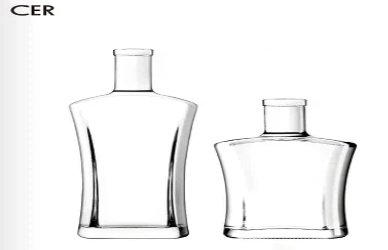
The evolution of beer bottles throughout the 20th century saw significant improvements in design, size, and functionality, driven by technological advancements and changing consumer preferences. As beer production expanded globally, bottle designs adapted to meet the growing demands of both breweries and consumers.
Early 20th-century beer bottles were simple, focused mainly on function. However, as the beer industry grew, bottle designs became more standardized and varied. The 750ml bottle remained the standard, but innovations in glass strength and manufacturing allowed for more reliable bottles in a broader range of shapes and sizes. Stronger glass also reduced breakage during transport.
As breweries sought differentiation, distinct bottle shapes emerged. The long neck bottle became popular for its sleek, portable design and ease of use. Another iconic style, the stubby bottle, became popular in the mid-20th century, particularly for domestic beers, offering a more compact design that reduced breakage and evoked nostalgia. Premium glass bottles for craft beers and high-end products featured thicker glass and unique shapes to convey quality. While amber glass remained dominant, clear and green glass bottles were used for specific beer types, providing varying levels of protection from light.
Beer bottles became key branding tools in the 20th century. Breweries used distinctive shapes, labels, and logos to attract consumers and stand out from competitors. Modern bottles were also designed for ease of handling and easy opening, improving the overall drinking experience.
The production and disposal of beer bottles raise significant environmental concerns, particularly regarding single-use plastic and glass waste. As the beer industry expanded, so did its environmental impact, contributing to landfill waste and resource consumption. However, recent trends are focusing on sustainable packaging to address these issues and reduce environmental harm.
Plastic bottles and caps are increasingly used in beer packaging, worsening the global plastic pollution crisis. Plastic bottles take hundreds of years to decompose, adding to landfill waste. While glass bottles are recyclable, they still contribute to waste if not properly disposed of. Additionally, glass production requires significant energy, increasing its carbon footprint.
To address these concerns, the industry is embracing recyclable glass bottles, which can be reused and recycled multiple times, reducing the need for new materials and lowering environmental impact. Many breweries now use recycled glass, conserving energy in the process. Another promising solution is the returnable bottle system, where bottles are collected, cleaned, and reused, minimizing waste and supporting a circular economy model.
The beer industry is exploring biodegradable bottles and plant-based plastics, which naturally break down, reducing plastic waste. Some breweries are experimenting with cardboard or paper packaging, further reducing their environmental footprint.
Beer bottles were first introduced in the 17th century, initially made of glass and used for smaller-scale beer packaging. They were popularized in the 19th century as mass production methods improved.
Glass was chosen for its ability to preserve the quality of beer by protecting it from light and air, two factors that can negatively affect the taste and freshness of beer.
The beer bottle cap became a crucial invention in the 19th century, replacing corks and allowing for better preservation of beer by sealing out air and contaminants. This innovation greatly contributed to the growth of bottled beer distribution.
While glass beer bottles are recyclable, their environmental impact depends on factors like transportation and whether they are returned and reused. Some breweries are now embracing sustainable packaging options, such as returnable bottles and biodegradable materials, to reduce waste.
The design and production of beer bottles have undergone significant transformations over the centuries, from early casks and jugs to modern, sustainable glass bottles. As consumer preferences and environmental concerns evolve, so too does the beer bottle, adapting to meet both the demands of the market and the industry's growing commitment to sustainability. From the introduction of the bottle cap in the 19th century to the rise of recyclable and returnable bottles, innovations continue to shape the way beer is packaged, stored, and consumed. Today, the beer bottle remains a vital component of the beer industry, serving not only as a practical means of preservation and distribution but also as a branding tool that helps breweries stand out in a competitive market. As the industry moves forward, the beer bottle will undoubtedly continue to evolve, balancing functionality, environmental responsibility, and consumer appeal to remain an essential part of the beer experience.


