
 English


Views: 0 Author: Site Editor Publish Time: 2026-04-27 Origin: Site


Many spirits enthusiasts wonder if keeping a vodka glass bottle in a standard kitchen refrigerator is actually safe. It seems like a simple question, yet the answer carries surprising weight for anyone who enjoys a good drink. Improper storage of premium spirits often leads to muted flavor profiles. It can also compromise container integrity and completely ruin your tasting experience. After all, we want our favorite drinks to taste exactly as the master distiller intended, without risking a cracked container. This article provides an evidence-based framework for evaluating your cold storage habits. We will explore how temperature impacts both the delicate glass packaging and the clear liquid inside. You will learn the structural physics of household refrigeration and the chemical realities of 80-proof alcohol. By the end, you will know exactly how to ensure optimal preservation and maximum enjoyment for every bottle you purchase.
Structural Safety: A standard vodka glass bottle is perfectly safe in a standard refrigerator (typically 35°F–38°F); thermal shock risks primarily apply to rapid freezer transitions.
Flavor Integrity: Refrigeration suppresses volatile aromatic compounds. It improves the mouthfeel of mid-tier vodka but masks the complex botanicals of premium, sipping vodkas.
Chemical Reality: Standard 40% ABV (80 proof) vodka has a freezing point of roughly -16°F (-27°C), meaning it will not freeze, expand, or shatter a glass container in a standard household fridge or freezer.
Strategic Storage: The optimal storage location should be dictated by the intended use case (e.g., mixing vs. neat sipping) to maximize the return on your spirit investment.
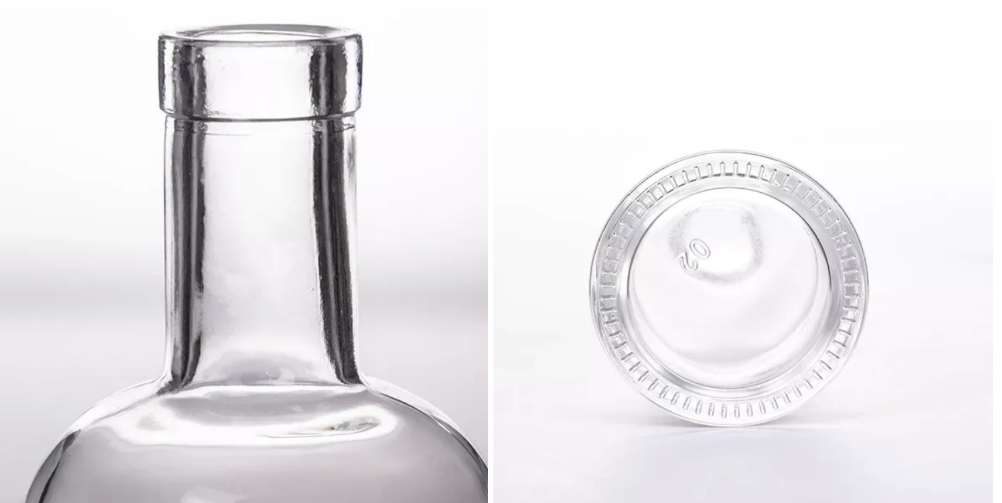
Consumers often worry about glass shattering. They fear liquid expansion or sudden temperature shock when moving spirits into cold storage. This concern is highly valid but largely misunderstood. We need to evaluate the actual structural integrity of your typical vodka bottle to understand the real-world risks.
Most premium and standard beverage packaging uses standard soda-lime glass. Manufacturers design this common material for durability, safe transport, and everyday handling. However, it is not extreme-temperature borosilicate glass. Laboratories use borosilicate specifically for rapid heating and cooling. Soda-lime glass handles gradual temperature shifts incredibly well. It struggles mainly under sudden, drastic thermal changes.
The risk of thermal shock inside a standard household fridge environment remains incredibly low. Household refrigerators usually hover around 35°F to 38°F. Moving a room-temperature bottle into this specific climate zone causes a slow, gentle cooling process. The glass acclimates without experiencing high structural stress. Conversely, moving a warm bottle directly into a deep freeze introduces a moderate risk. A sudden drop of seventy degrees can stress the rigid glass surface and create micro-fractures over time.
Next, we must consider the freezing point reality of the liquid itself. Why do people worry so much about glass in cold environments? The fear originates from our experiences with freezing water. Water expands by about 9% when it turns into solid ice. If you leave a glass container full of water in the freezer, the expanding ice will shatter it. Many consumers falsely assume alcohol behaves the exact same way.
However, standard commercial spirits sit at 40% alcohol by volume (ABV), universally known as 80 proof. The actual freezing point of a 40% ABV alcohol solution is roughly -16°F (-27°C). The liquid inside will never crystallize, solidify, or expand at normal household refrigeration temperatures. It will not even freeze in most standard residential deep freezers, which typically operate around 0°F.
Because the liquid cannot turn into a solid state, it will never expand its volume. Therefore, the structural outward pressure exerted on the interior glass walls remains absolute zero. You can rest easy knowing your fridge poses no physical threat to the container. The underlying chemistry simply does not allow it to break from internal expansion.
Choosing the correct storage spot ultimately depends on what you plan to drink and how you intend to serve it. We can break these choices into three distinct categories. Let us evaluate the liquor cabinet, the fridge, and the freezer to see where your specific bottle truly belongs.
Ambient room temperature storage suits premium, artisanal, and heavily filtered sipping vodkas best. This stable environment allows volatile flavor compounds to remain highly active. Active compounds ensure you experience the master distiller's intended tasting notes fully. You will notice subtle floral, citrus, or earthy botanicals immediately on the nose. We always recommend cabinet storage if you drink your spirits neat or over a single large ice cube. The warmth allows the drink to open up in the glass, providing a far more dynamic sensory journey. Be sure to keep the cabinet away from direct sunlight, as UV rays degrade organic compounds over time.
The standard refrigerator is best for mid-tier vodkas used primarily in high-end craft cocktails. It offers a wonderfully crisp temperature. This chilling slightly thickens the liquid's viscosity without entirely freezing out the spirit's natural aromatics. It is the absolute safest cold-storage option for delicate glass packaging. The chill takes the harsh edge off the alcohol burn while preserving enough character to shine through in a classic martini or a refreshing gimlet. Storing it here also prevents the need to aggressively shake the cocktail with ice, reducing unwanted water dilution in your final drink.
Deep freezing works exceptionally well for budget vodkas. In this tier, masking impurities or harsh alcohol burn becomes the primary goal. Freezing dramatically increases viscosity, creating a highly desirable thick, syrupy texture. However, it severely mutes all flavor profiles. The extreme cold traps aromatic compounds securely within the liquid, preventing them from reaching your palate. Handling a frozen bottle also introduces a minor functional risk. Immediate condensation creates frost-related slipping hazards in warm kitchens, and the ultra-cold glass becomes slightly more brittle upon impact.
Storage Environment Comparison Table
Storage Location | Average Temperature | Best Used For | Impact on Flavor & Texture |
|---|---|---|---|
Liquor Cabinet | 60°F – 70°F | Premium sipping spirits | Maintains complex aromatics; thin viscosity. |
Standard Fridge | 35°F – 38°F | Mid-tier cocktail mixing | Slightly mutes aromatics; pleasant, crisp mouthfeel. |
Deep Freezer | 0°F | Budget or harsh spirits | Heavily masks flavors; creates thick, syrupy texture. |
Let us look at your spirits collection from a purely financial and experiential investment perspective. Spending capital on a top-shelf artisanal product only to freeze away its delicately crafted flavor profile results in a poor return on investment. Industry professionals often refer to this concept as "Flavor ROI." You pay a premium for multiple distillation runs and specialized filtration. Erasing that effort with improper temperatures defeats the entire purpose of buying top-shelf products.
Extreme cold actively inhibits the release of essential aromas. Human tasting relies heavily on olfaction. Tasting notes must vaporize for you to smell and taste them properly. If the aromatic compounds cannot vaporize, they remain trapped in the chilled liquid. When distilleries create a super-premium product, they spend years perfecting the mash bill. They taste test it at room temperature to balance the esters and congeners. If we freeze it, we ignore all that expert labor.
As a direct result, a highly expensive premium purchase yields the exact same muted sensory experience as a heavily processed budget brand. The cost of over-chilling is literally washing your money down the drain. You pay for masterful craftsmanship, but the extreme cold erases it entirely.
To maximize your Flavor ROI, you must clearly define your success criteria before choosing a storage method. We recommend using the chart below to match your goals to the appropriate environment.
Flavor ROI & Temperature Matrix Chart
Consumer Goal | Ideal Temperature Zone | Expected Flavor ROI |
|---|---|---|
Enjoy complex botanicals neat | Ambient (Cabinet) | High – Full sensory profile realized |
Craft a chilled, undiluted martini | Moderate Chill (Fridge) | Medium – Balanced crispness and flavor |
Eliminate harsh alcohol burn completely | Deep Chill (Freezer) | Low – Sensory profile entirely muted |
If your main goal is a perfectly chilled martini without excessive ice dilution, fridge storage offers the highest possible utility. You achieve the exact serving temperature you need without adding unwanted water to the mix. Conversely, if your goal involves neat tasting to appreciate raw craftsmanship, ambient room temperature provides the best qualitative yield. Match your storage strategy to your personal drinking style to protect your financial investment.
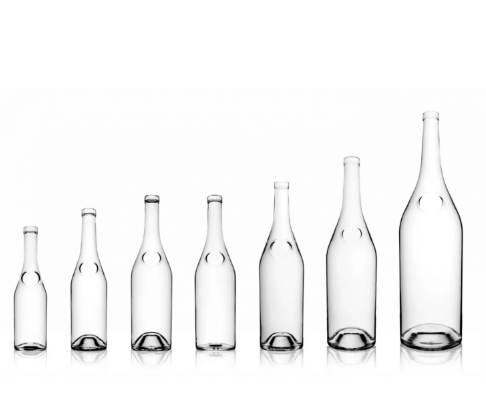
Now we must discuss the practical application of these storage methods. Everyday handling and environmental transitions present their own unique risks in a home bar setting. Following established industry best practices will protect both your glass packaging and the precious liquid inside.
How you physically place your spirits matters just as much as the ambient temperature of the room or appliance. We highly recommend adopting strict structural guidelines for your collection.
Mandate Upright Storage Always: You must always store hard liquor standing vertically. Some consumers mistakenly lay bottles flat, imitating traditional wine cellar practices. This is a common and damaging mistake. High-proof alcohol resting constantly against corks or synthetic stoppers degrades the delicate seal over time. The concentrated alcohol slowly eats away at the porous material, regardless of the ambient temperature. A degraded cork will eventually break off into your drink. Worse, it allows unwanted oxygen into the container, leading to subtle flavor oxidation.
Mitigate Environmental Condensation Risks: A heavily chilled glass container will inevitably sweat when brought into a warm, humid room. This rapid condensation creates immediate grip hazards. A slippery surface can easily lead to accidental drops, shattered glass, and a ruined evening. Furthermore, excessive sweating can soak and permanently ruin beautiful paper labels, diminishing the aesthetic value of your collection. You should always keep a clean bar towel handy when serving directly from the fridge.
Moving glass between extreme temperature zones requires a bit of calculated care. While standard soda-lime glass is durable enough for everyday use, you should proactively avoid testing its absolute limits. Follow this staged approach for chilling. It will preserve the glass structure and prevent sudden aromatic shock to the sensitive spirit.
Start at Stable Room Temperature: Keep your newly purchased spirits in the cabinet initially. Let them rest in a stable, dark environment away from direct sunlight or heat vents.
Move to the Main Fridge Compartment: Place the container in the main body of your refrigerator. Allow it to cool gradually over a period of four to six hours. This gentle descent safely lowers the core temperature without shocking the material.
Avoid Direct Deep Freezing Scenarios: Never move a warm, 70°F bottle directly into a 0°F deep freezer. If you absolutely must use the freezer to achieve a syrupy texture, let the liquid chill in the fridge overnight first. This staged transition entirely eliminates the risk of microscopic surface fractures developing in the glass.
Creating a quick, repeatable decision framework helps streamline your home bar operations. Before you place any new purchase into cold storage, pause and assess the situation. First, identify the exact quality tier. Is it an artisanal sipping spirit or a mass-market mixer? Second, identify your primary serving method. Will you drink it neat, mix it into complex craft cocktails, or shoot it ice-cold? Finally, select the specific storage zone that strictly aligns with those usage metrics. This deliberate, thought-out approach guarantees the absolute best possible drinking experience every single time you pour a glass.
Storing your spirits correctly elevates your entire drinking experience. We have established that maintaining your collection in a refrigerator presents absolutely no structural danger to the packaging. The underlying chemistry of 80-proof alcohol guarantees zero internal expansion. The choices you make should revolve entirely around maximizing flavor and matching your intended use case. As you organize your home bar, keep these final action-oriented principles in mind:
Audit your current collection: Take a moment to separate your premium sipping spirits from your cocktail mixers.
Relocate premium bottles: Move high-end, artisanal brands out of the cold and onto a dark, room-temperature shelf to revive their complex botanicals.
Optimize your mixers: Keep your mid-tier mixing brands in the fridge to ensure a crisp, refreshing cocktail base that minimizes ice dilution.
Reserve the freezer for budget options: Only use extreme deep-freezing for lower-tier brands where a syrupy texture and masked alcohol burn are explicitly desired.
By thoughtfully aligning your storage methods with your consumption habits, you protect your financial investment and guarantee a superior pour every time.
A: No. Standard 40% ABV vodka will not freeze or expand in a home freezer, meaning the glass will not shatter from internal pressure. The freezing point of 80-proof alcohol is roughly -16°F, which is much colder than average residential freezers. However, thermal shock from rapid temperature changes remains a minor risk if you move a very warm bottle into deep freeze instantly.
A: High-proof spirits are highly shelf-stable and will last indefinitely due to their high alcohol content. Refrigeration alters the immediate serving temperature and slightly thickens the liquid's viscosity, but it does not prevent "spoilage" because 40% ABV alcohol acts as its own preservative. An open container will slowly lose flavor over years due to oxidation, regardless of whether it is chilled.
A: It depends entirely on the quality of the spirit and how you intend to drink it. A rapid rule of thumb: keep budget or mixing vodka in the fridge or freezer to mask the harsh alcohol burn. Conversely, you should keep premium sipping vodka on the counter at room temperature to fully preserve its complex flavors and delicate aromatics.


