
 English


Views: 0 Author: Site Editor Publish Time: 2026-07-10 Origin: Site


Commercial glass packaging serves a dual function in the brewing industry. A high-quality container acts as the primary barrier protecting sensitive liquid from light and oxygen degradation. Simultaneously, it serves as the physical touchpoint establishing brand identity on a crowded retail shelf. Brewers constantly face a tension between aesthetic differentiation and technical viability. Improper packaging selection introduces severe operational risks. Light strike ruins hop profiles rapidly. Poor closure compatibility leads to rapid oxidation. In extreme cases, catastrophic failure from over-carbonation creates safety hazards on the packaging line or in the consumer's hands. Supply chain inefficiencies, such as high freight weights or labeling machine jams, further complicate distribution. This guide provides a technical evaluation framework for commercial craft breweries and advanced homebrewers. You will learn how to systematically select the ideal packaging based on beer style, carbonation volumes, shelf-life targets, and distribution logistics.
UV Protection is Non-Negotiable for Hoppy Styles: Amber glass blocks up to 99% of harmful UV wavelengths, making it the mandatory baseline for IPAs and pale ales to prevent 3-methyl-2-butene-1-thiol (3-MBT) formation.
Pressure Ratings Dictate Shape and Weight: High-volume carbonation styles (e.g., Belgian ales, wild sours, bottle-conditioned stouts) require thicker glass walls and specific punted bases to safely handle internal pressures exceeding 3.0 volumes of CO2.
Closure Compatibility Impacts Shelf Life: The choice between pry-off crowns, twist-offs, swing-tops, and cork-and-cage finishes directly dictates oxygen ingress rates (DO) and long-term aging potential.
Shelf Presence Intersects with Technical Design: Color, shape, and custom embossing must work together to create strong shelf presence without compromising the physical integrity or processing efficiency of the bottle.
Unit Economics Go Beyond the Invoice: Total packaging costs must factor in freight weight, minimum order quantities (MOQs), breakage allowances, and labeling line compatibility.
Selecting a glass container is an engineering and logistical decision long before it becomes a marketing exercise. Physical constraints dictate what is possible on the packaging line and in the warehouse. You have to match the physical properties of the glass to the mechanical realities of your filling equipment and the chemical realities of your liquid.
Beer style directly dictates CO2 volumes, which in turn dictate required glass thickness. Thin-walled glass poses severe bursting risks under high carbonation. Standard ales typically sit around 2.5 to 2.7 volumes of CO2. At these levels, standard industry glass weights perform perfectly well. However, highly carbonated bottle-conditioned beers, such as mixed-fermentation saisons or traditional Belgian tripels, often exceed 3.5 volumes. These styles demand specialized heavy-weight glass to contain the internal pressure, which can spike dramatically if the beer is stored in warm conditions.
The punt, or the indentation at the base of the container, serves a vital structural purpose. It distributes internal pressure outward toward the stronger vertical walls, preventing base failure under stress. Flat-bottomed containers cannot withstand the same internal pressures and will often suffer from "bottom drop" failures on the packaging line when the crowner applies downward force. When evaluating glass for high-carbonation styles, always verify the manufacturer's maximum pressure rating in PSI.
Dissolved oxygen (DO) is the enemy of shelf stability. The neck length and headspace volume play a major role in DO management. A longer neck allows for more effective fobbing. Fobbing is the process of inducing a fine foam just before capping, usually via a high-pressure water jet, to push ambient air out of the headspace. If the neck is too short, the foam breaks too quickly, trapping oxygen under the cap.
Different shapes interface differently with commercial filling, purging, and capping equipment. Standardized profiles ensure smooth transitions through automated lines. If a container wobbles or shudders on the conveyor, it agitates the liquid, causing inconsistent fill levels and increasing the time the liquid is exposed to ambient air before the cap is applied. Precision in the glass mold translates directly to lower DO pickup on the line.
Shape, capacity, and color work in unison to convey product quality and style authenticity to consumers. A traditional silhouette communicates heritage, while sleek, modern lines suggest innovation. The physical weight of the glass also plays a psychological role; heavier glass often signals a premium product to the buyer.
Premium shapes, such as Heritage or Belgian silhouettes, help justify higher retail price points. They differentiate products on competitive retail shelves, signaling to the consumer that the liquid inside warrants a premium experience. However, these unique shapes often require custom guide rails and star wheels on your packaging equipment, which adds setup time during production runs.
Breweries must analyze the trade-offs between heavy-weight premium glass and standard eco-glass. Heavy glass offers perceived luxury value but significantly increases freight weight. When shipping full pallets, you will often "weigh out" a truck before you "cube it out," meaning you hit the legal weight limit before filling the physical space in the trailer. Lighter glass provides freight savings and allows you to ship more volume per truckload.
Diameter and height impact pallet configuration. Wider bases reduce the number of units per tier, altering stacking stability and warehousing efficiency. Standardized dimensions optimize pallet density. A standard longneck allows for predictable layer counts and stable wrapping, whereas heavily tapered designs can create unstable pallets that shift during transit, leading to catastrophic load failures.
Glass color is a functional reality in the brewing industry. The choice of tint directly impacts the chemical stability of the liquid. When light hits beer, riboflavin acts as a photosensitizer, reacting with isohumulones from the hops to create 3-methyl-2-butene-1-thiol. This compound smells exactly like a skunk's spray, and it can form in a matter of minutes under direct sunlight or fluorescent retail lights.
Empirical data shows that amber glass provides superior UV absorption, blocking wavelengths under 450nm. This makes amber the default technical requirement for any hop-forward beer distributed in retail environments with fluorescent or natural lighting. If you are brewing an IPA, pale ale, or any heavily dry-hopped style, amber is non-negotiable.
When sourcing reliable beer bottles, amber remains the most protective option against 3-MBT formation. It provides a massive buffer against poor handling in the retail supply chain, ensuring the consumer tastes the hop profile you intended rather than a light-struck defect.
Green and clear glass carry historical and cultural context for specific European lagers and Mexican imports. However, they offer minimal UV protection. Clear glass is strategically viable only when showcasing vibrant colors of fruit-infused beers, hard seltzers, or ciders where light striking is not a risk because there are no hops present.
If using clear or green glass for hopped beers, mandatory mitigation strategies apply. Brewers must use light-stable reduced hop extracts, like tetra-hop, to prevent skunking. Alternatively, you must utilize fully enclosed cardboard packaging that prevents any light from reaching the glass. Relying on retail staff to keep green glass out of direct light is a guaranteed path to product degradation.
Painted, frosted, or shrink-sleeved containers offer 100% light protection. These aesthetic choices create striking visual profiles and completely eliminate the risk of light strike, regardless of the base glass color.
However, these coatings impact recycling streams. Many sorting facilities reject heavily coated or sleeved glass because the optical sorters cannot identify the base material. Additionally, custom coatings significantly increase per-unit costs and lead times, requiring careful inventory management to avoid stockouts.
Glass Color | UV Protection Level | Best Application | Skunking Risk |
|---|---|---|---|
Amber | High (Blocks ~99% under 450nm) | IPAs, Pale Ales, Stouts | Low |
Green | Low to Moderate | Traditional European Lagers | High (without hop extracts) |
Clear (Flint) | None | Ciders, Seltzers, Fruit Beers | Extreme |
Opaque/Coated | Complete (100%) | Premium Limited Releases | Zero |
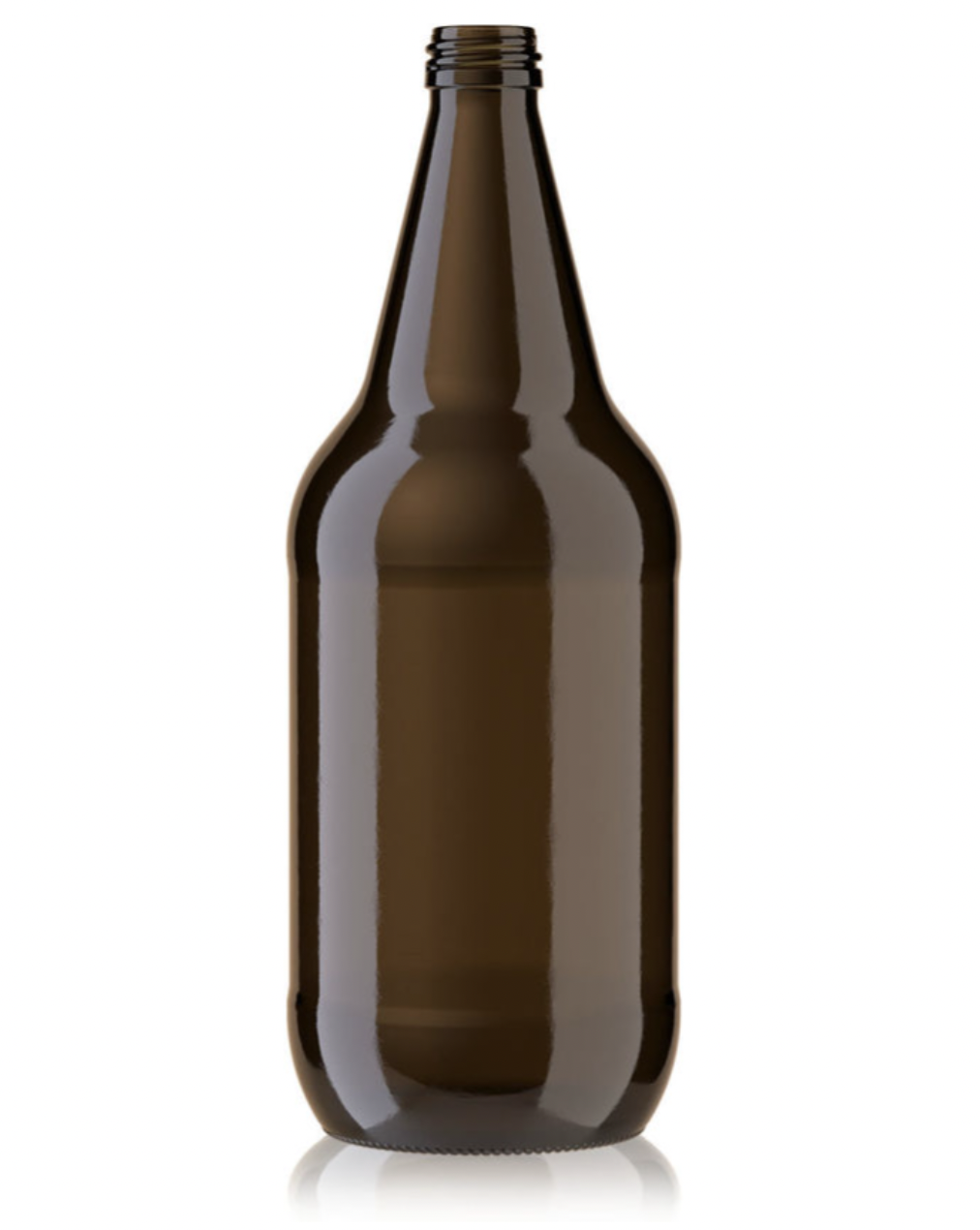
Specific capacities and profiles map directly to target consumer occasions and distribution strategies. You have to align the physical volume of the package with how and where the consumer will drink it.
The 12oz (355ml) format dominates high-volume, standard retail distribution. The Longneck profile is highly standardized for filling and packaging lines, ensuring maximum operational efficiency. Almost every piece of commercial packaging equipment is built with the 12oz longneck as the baseline standard.
Heritage or Steinie profiles offer vintage, craft brand differentiation. However, their shorter, wider stance often requires labeling line adjustments. The label panels are shorter, restricting artwork space, and the wider diameter means you need custom carrier cartons to prevent the glass from rattling and breaking during transit.
Large-format containers suit premium, barrel-aged, or limited-release beers. While consumer buying habits have shifted away from 22oz bombers in favor of 16oz cans, this format still makes financial sense for high-margin, low-volume specialty releases where the packaging format signals a shared, celebratory drinking occasion.
Thick-walled 750ml Belgian shapes are a technical necessity for styles undergoing secondary fermentation. The heavy glass and deep punt safely contain the high pressure generated during bottle conditioning. These formats require specialized corking and wire-hooding equipment, which represents a significant capital expenditure for the brewery.
The 32oz format, commonly utilized as a "howler" or half-growler, serves a specific use case. It is highly effective for taproom takeaway sales, small-batch draft distribution, and homebrew yeast starter propagation. It offers a middle ground between a single serving and a full 64oz growler, which often goes flat before a single consumer can finish it.
When utilizing a 32oz Amber Glass Bottle Craft Beer Brewing format, closure requirements are critical. Polycone-lined phenolic caps generally outperform standard metal screw threads. The cone creates a wedge seal against the inner lip of the glass, maintaining carbonation and preventing oxygen ingress over short-term storage much more effectively than a flat plastisol liner.
The physical glass finish connects directly to closure performance, consumer convenience, and product longevity. The interface between the glass and the cap is the single most vulnerable point for oxygen ingress in the entire package.
Commercial craft breweries overwhelmingly favor pry-off finishes. Pry-off crowns provide superior seal integrity, lower oxygen ingress, and longer shelf life compared to twist-off caps. The continuous glass ring of a pry-off finish allows the crowner to crimp the metal cap tightly and evenly around the entire circumference.
Twist-off threads inherently create slight gaps in the seal. The threads interrupt the smooth surface, allowing micro-oxygenation over time. For any product intended for regional or national distribution, a standard 26mm pry-off is the safest choice to guarantee shelf stability.
Swing-top closures offer a premium traditional design and consumer perception of reusability. They look fantastic on a shelf and provide a satisfying pop when opened. However, they present severe mechanical challenges for commercial distribution.
They carry a high per-unit cost and require manual labor for bottling, as automated swing-top closing machines are rare and expensive. Furthermore, sanitization challenges associated with reusable rubber gaskets make them difficult to implement safely at scale. If organic material gets trapped under the gasket, it will harbor spoilage organisms that ruin the beer.
Cork and cage finishes are typically reserved for Belgian styles, geuzes, and wild/mixed-fermentation ales. This system requires a reinforced glass neck ring to handle the extreme physical forces involved in the packaging process.
The thick neck ring handles the physical mechanical stress of the wire hood (muselet) and the force of cork insertion. A standard neck would simply shear off or shatter when the corker drives the oversized cork into the opening. This finish provides an excellent long-term oxygen barrier, allowing complex beers to age gracefully for years.
Procurement involves hidden costs, operational risks, and manufacturing realities that influence overall value. You have to look past the per-unit invoice price and calculate the true landed cost of getting that glass onto your packaging line.
Stock options are generally available by the pallet, making them accessible for smaller operations. Custom embossed molds require full truckloads or hundreds of thousands of units to justify the tooling costs at the glass plant. The manufacturer has to shut down a line to swap the molds, which requires massive volume to be profitable.
Custom embossed branding on the shoulder or base enhances shelf presence. However, it limits versatility across different brands in a brewery's portfolio. If you emboss your flagship IPA logo into the glass, you cannot use that same inventory for your seasonal stout, tying up capital in specific, inflexible inventory.
Bottle cleaning and sanitization require rigorous protocols, particularly for local eco-friendly craft operations using recycled glass. You need industrial bottle washers that utilize high-temperature caustic solutions to strip away dried beer, mold, and old label adhesive.
Wide-mouth or standard longneck profiles are relatively easy to clean because the spray jets can easily reach the interior walls. Narrow, highly contoured, or swing-top designs trap organic material in the shoulders or neck, making them difficult to sanitize reliably. A single dirty container will result in an infected, gushing product.
Shipping empty air and heavy glass heavily impacts the final landed cost per unit. Proximity to the glass manufacturer drastically alters freight expenses. If you are shipping glass across the country, the freight can sometimes cost as much as the glass itself.
Standard industry breakage allowances typically range from 1% to 3%. Procurement teams must account for this attrition in yield and cost-per-unit calculations. You will lose glass during transit, during depalletizing, and on the filling line. Always order slightly more than your liquid volume dictates.
Tapered, reverse-tapered, or uniquely contoured designs introduce labeling risks. Compound curves cause label wrinkling, bubbles, and tearing as the label applicator tries to force a flat piece of paper onto a curved surface.
Using a standard Beer Bottle profile avoids the need for specialized labeling equipment or expensive custom-cut label substrates. Straight, vertical walls allow for fast, consistent label application with standard wipe-down brushes and peel plates.
Audit your current packaging line to ensure your star wheels, guide rails, and labeling wipe-down brushes can handle the specific diameter and height of your chosen glass.
Select amber glass as the default for all hop-forward styles to eliminate the risk of light strike in retail environments.
Match the glass pressure rating and punt design to the target carbonation volumes of your specific beer style, upgrading to heavy-weight glass for anything over 3.0 volumes.
Calculate the true landed cost by factoring in freight weight, pallet configuration, and standard breakage allowances, rather than just the per-unit invoice price.
A: Pry-off caps provide a tighter, more secure seal than twist-offs. The continuous glass ring of a pry-off finish prevents micro-oxygenation, ensuring lower dissolved oxygen levels and a longer, more stable shelf life for the beer.
A: Using clear glass for an IPA is highly risky due to UV light exposure, which rapidly causes skunking. If clear glass is mandatory for marketing, you must use light-stable modified hop extracts instead of traditional hops.
A: The indentation, called a punt, provides structural integrity. It distributes the internal pressure of the carbonated liquid outward toward the stronger vertical walls, preventing the base from blowing out under stress.
A: While aesthetically pleasing, swing-tops are generally avoided for large-scale commercial distribution. They are labor-intensive to apply, expensive, and the rubber gaskets present significant sanitization and long-term oxygen barrier risks.
A: Heavier, premium glass significantly reduces the number of units you can fit on a truck before hitting weight limits. This increases the freight cost per unit, raising the overall landed cost of your packaging.
A: Fobbing is the process of injecting a fine stream of high-pressure water into the filled container just before capping. This causes the liquid to foam up, pushing ambient oxygen out of the headspace and preventing rapid oxidation of the packaged product.


