
 English


Views: 0 Author: Site Editor Publish Time: 2026-07-11 Origin: Site


Packaging drives initial consumer trial in saturated retail environments. Custom glass sourcing introduces hidden supply chain vulnerabilities that operations teams must manage. Breweries and beverage brands balance distinct brand differentiation against unit economics, minimum order quantities (MOQs), and production line compatibility. A striking silhouette captures attention on the shelf. However, if that shape disrupts high-speed filling lines or causes label application failures, operational friction quickly outweighs marketing benefits. You need containers that run efficiently through depalletizers, fillers, and labelers without excessive downtime. This guide breaks down the technical and financial evaluation criteria for sourcing stock, semi-custom, and fully custom beer bottles. We ensure your packaging decisions align with marketing goals and operational capabilities, keeping your production lines moving and your product protected.
Tooling and Timelines: Fully custom glass molds require significant upfront capital and typically demand 30–45 days for tooling alone, making accurate demand forecasting critical.
The Semi-Custom Compromise: Utilizing existing molds with custom embossing or unique finishes offers a fast, cost-effective middle ground for brands seeking differentiation without full custom MOQs.
Technical Performance: Glass color and closure types are not purely aesthetic; they dictate UV protection levels, oxygen ingress rates, and shelf-life stability.
Establishing baseline requirements for packaging starts with weighing visual impact against the physical constraints of automated filling and labeling lines. A highly customized bottle shape creates a memorable brand identity. It must physically fit through existing machinery. Unique bottle silhouettes shift the center of gravity. During high-speed bottling runs, a higher center of gravity increases the risk of bottles tipping over on the conveyor belt. Tipped bottles lead to line jams, product loss, and significant downtime. Engineers evaluate how tapers, shoulder angles, and base widths interact with star wheels, guide rails, and feed screws. If a bottle requires custom change parts for every run, the setup time eats into production efficiency.
Brands balance the tactical flexibility of custom labels with the structural limitations of standard filling equipment. Applying a wraparound label to a perfectly cylindrical bottle is a straightforward process. Applying that same label to a bottle with a pronounced taper or irregular curvature requires specialized labeling heads and precise timing. If the bottle design forces the production team to slow down the line to achieve accurate label placement, the resulting drop in throughput directly impacts operational efficiency. You must test physical glass samples on your specific labeling equipment before committing to a new shape.
Preventing light-strike, commonly known as skunking, is a non-negotiable requirement for hop-forward beverages. When ultraviolet and specific visible light wavelengths penetrate the glass, they react with isomerized alpha acids from hops. This reaction creates 3-methyl-2-butene-1-thiol (MBT), a compound that produces a highly undesirable aroma. Selecting the right glass color is the primary defense mechanism against this photochemical reaction. You ensure the liquid reaches the consumer exactly as the brewer intended by blocking these harmful wavelengths.
Evaluating oxygen transmission rates (OTR) maintains material integrity and flavor stability. Oxygen ingress leads to oxidation. Oxidation dulls hop aromas and introduces cardboard or sherry-like off-flavors. Different glass and closure combinations offer varying levels of protection. Glass provides an absolute barrier to oxygen. The closure interface remains vulnerable. Comparing the OTR of pry-off crowns, twist-off crowns, and cork-and-cage finishes helps determine suitable shelf-life expectations. You benchmark these rates against alternative packaging formats like aluminum cans to make informed decisions for your distribution footprint.
Sourcing standard, off-the-shelf glass containers remains the most common approach for beverage producers. The primary advantages include immediate availability, low minimum order quantities, and proven performance on standard filling equipment. Stock options significantly lower freight risks. They are widely distributed and easily replaceable if a shipment is delayed or damaged. Production teams appreciate stock glass because standard 12oz longnecks or 22oz bombers require zero custom adjustments to filling valves or capping heads. You can switch between different brands using the same glass profile without changing star wheels.
The main drawback of stock packaging is the complete lack of structural differentiation. The physical shape is identical to countless competing products. The brand relies entirely on labeling, neck foils, or secondary packaging for identity. This approach suits startups, pilot batches, and regional brands competing primarily on price or local loyalty. The liquid inside and the label design carry the entire weight of the marketing effort. Stock bottles provide a reliable, low-risk foundation for core product lines.
Modifying existing stock molds provides a strategic alternative to off-the-shelf purchasing. This process involves taking a standard bottle profile and adding proprietary elements. You might add custom embossing on the neck, shoulder, or base. By altering only the blank mold or the finish equipment while keeping the primary body shape intact, manufacturers produce a container that feels unique without starting from scratch. The base diameter and overall height remain consistent with stock options, ensuring compatibility with your existing packaging line.
This method serves as a fast, relatively inexpensive way to create distinct visual and tactile elements. A brewery might emboss its logo or founding year onto the shoulder of a standard amber bottle. This approach drastically reduces tooling lead times and upfront capital requirements compared to full custom builds. It offers a highly effective middle ground for growing brands seeking physical differentiation. You achieve a premium look without the massive volume commitments required for entirely new shapes.
Developing a proprietary mold from the ground up offers unparalleled control over the final product. Brands dictate every dimension, curve, and aesthetic detail to perfectly align with their marketing vision. This approach requires significant capital expenditure for the proprietary molds. The engineering and design phases demand rigorous testing. You must ensure the theoretical design translates into a structurally sound glass container capable of withstanding internal carbonation pressure and vertical top-load pressure during capping.
The timeline for fully custom projects is substantial. Manufacturers typically require 30 to 45 days just for tooling creation. This is followed by sampling, physical testing on the filling line, design adjustments, and full production runs. Glass plants mandate high minimum order quantities to amortize the mold setup costs effectively. Brands must commit to large production volumes and secure adequate warehousing space. You only pursue fully custom glass when your sales volume and brand positioning justify the operational rigidity.
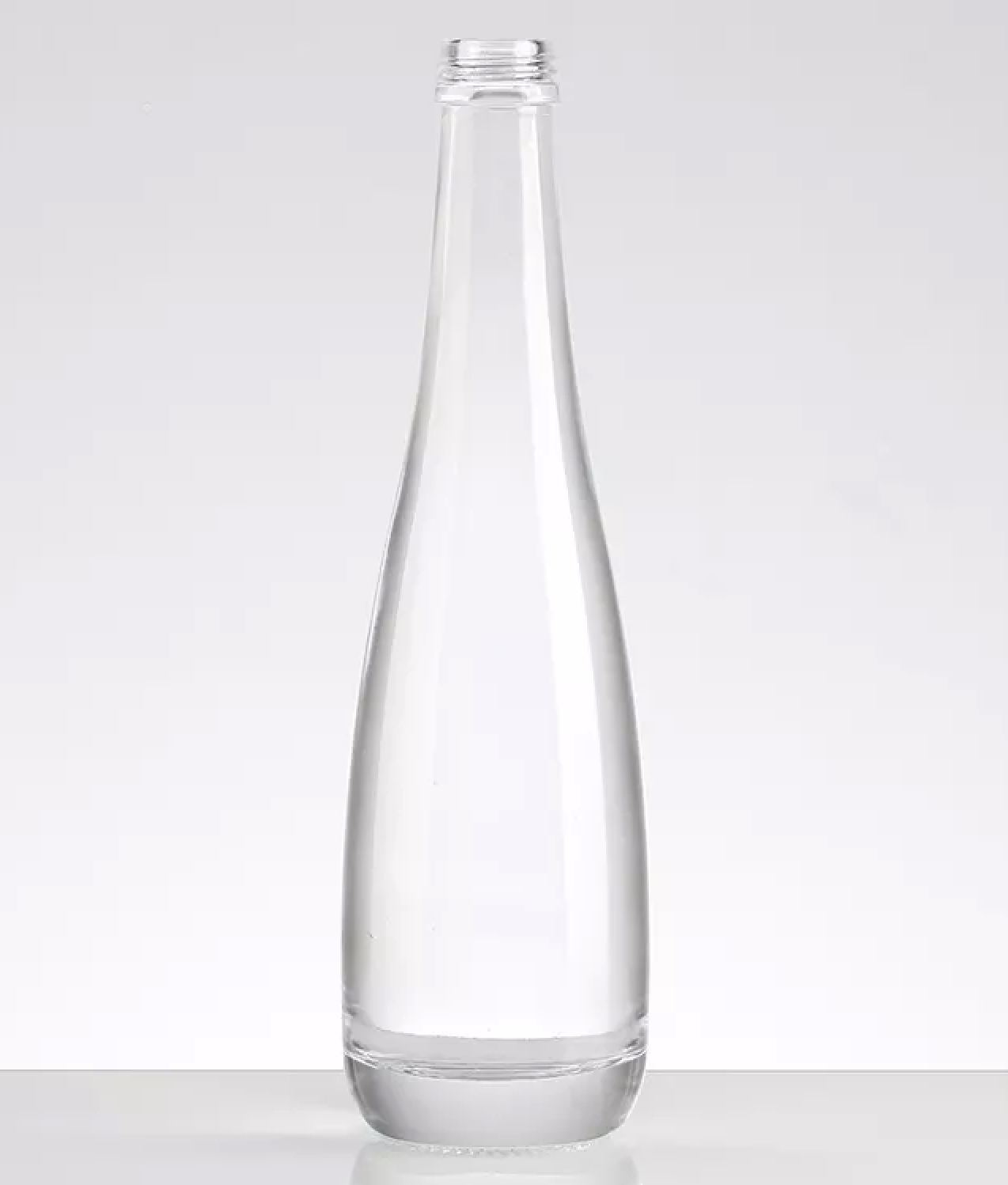
Selecting the right capacity and format dictates how the consumer perceives the product. Standard formats like 12oz longnecks and 22oz bombers dominate retail shelves for everyday consumption. Premium large-format options signal a higher-tier product. Evaluating the specific use case for a 750ml Glass Bottle For Beverage applications reveals its value for specialty releases. This format is heavily utilized for barrel-aged stouts, sour ales, Belgian-style wild ales, and products aiming for crossover wine-inspired elegance. The larger volume encourages sharing and elevates the drinking occasion.
The physical weight of the glass presents a distinct trade-off. Heavy-weight glass conveys a premium, substantial feel in the consumer's hand. It often justifies a higher retail price point. Lightweight glass reduces raw material usage, significantly lowers freight costs, and improves the brand's carbon footprint. Production managers weigh the tactile marketing benefits of heavy glass against the ongoing logistical efficiencies of lightweight alternatives. Lighter bottles require less energy to transport and handle, streamlining warehouse operations.
Bottle Format | Typical Use Case | Closure Compatibility | Market Positioning |
|---|---|---|---|
12oz Longneck | Core lineup, lagers, IPAs | Pry-off / Twist-off Crown | Standard / High Volume |
22oz Bomber | Specialty releases, seasonal | Pry-off Crown | Mid-Tier Premium |
750ml Large Format | Barrel-aged, wild ales, sours | Cork & Cage / Crown | Ultra-Premium / Cellaring |
330ml Steinie | Heritage brands, strong ales | Pry-off Crown | Niche / Traditional |
Amber glass remains the undisputed industry standard for hop-forward beverages. It effectively blocks up to 99% of harmful ultraviolet wavelengths. This provides maximum protection for volatile hop compounds. This high level of UV defense ensures that IPAs, pale ales, and heavily dry-hopped styles maintain their intended flavor profiles throughout their shelf life. They resist degradation even under harsh fluorescent retail lighting in supermarket coolers.
Clear, or flint, glass offers high aesthetic appeal by showcasing the liquid's color and clarity. It is highly effective for ciders, seltzers, or light-stable liquids. Using clear glass for traditional beer requires specialized, UV-stable hop extracts during brewing to prevent rapid degradation and skunking. Green and blue glass provide moderate UV protection. Historically tied to specific imported brand identities, these colors carry a significantly higher light-strike risk than amber. You must handle them carefully in the supply chain, often relying on fully enclosed secondary packaging.
The interface between the glass finish and the closure is a critical control point for product quality. Standard crown caps are the backbone of high-speed automated lines. Pry-off crowns generally provide a tighter, more reliable seal. They reduce oxygen ingress over time. Twist-off crowns offer consumer convenience but require precise application tolerances to prevent micro-leaks. Your crowning heads must be perfectly calibrated to apply the correct downward pressure without fracturing the glass finish.
Premium closures elevate the presentation of specialty releases. Swing tops, or Grolsch-style closures, offer a traditional aesthetic and resealability. They complicate automated packaging and often require manual application. Cork-and-cage finishes are standard for large-format bottles. The choice of closure directly impacts carbonation retention. It dictates the ability to withstand secondary fermentation pressures in bottle-conditioned ales and influences the overall aging potential of the beverage.
The physical geometry of a Beer Bottle dictates the parameters for label application. Straight, cylindrical bodies accommodate standard pressure-sensitive labels with ease. Tapers, aggressive curves, or complex shoulder designs require custom die-cut labels. You must prevent wrinkling or flagging at the edges. The labeling machinery must be calibrated to match the exact contour of the glass. Highly irregular shapes slow down line speeds and increase the scrap rate of misapplied labels.
Environmental factors during distribution dictate labeling requirements. Cold-chain distribution inevitably leads to condensation when bottles transition between different temperature zones. Standard paper labels disintegrate under these conditions. Utilizing wet-strength adhesives and moisture-resistant substrates ensures the branding remains intact. BOPP (Biaxially Oriented Polypropylene) labels resist moisture and tearing. Your product looks professional from the brewery packaging line all the way to the consumer's refrigerator.
Modern beverage branding relies heavily on material selection to communicate product positioning. Trending materials like rustic kraft paper and hand-stamped designs appeal to the craft, small-batch aesthetic. Metallic substrates and foil stamping position the product in the premium category. Screen-printed, or Applied Color Labeling (ACL), bottles eliminate paper entirely. They provide a sleek, label-less look that stands out in crowded coolers and eliminates concerns about label flagging in ice buckets.
Visual design must interact deliberately with the physical glass. Minimalist layouts, geometric patterns, and bright colors are highly effective when contrasted against dark amber glass. Designers consider how the background color of the bottle influences the opacity and vibrancy of the printed inks. You maximize shelf-standout in highly competitive retail environments by treating the glass and the label as a single cohesive unit.
Committing to custom glass inherently involves managing elevated Minimum Order Quantities. Glass furnaces operate continuously. Changing molds requires significant downtime. Manufacturers require large production runs to offset this lost time. The hidden burden of these high MOQs is the cost of holding inventory. Brands secure adequate warehousing space to store months' worth of empty glass. This ties up working capital and floor space that could otherwise be used for finished goods or raw brewing materials.
Evaluating just-in-time (JIT) delivery feasibility mitigates these inventory burdens. Domestic glass manufacturers often provide more flexible delivery schedules. They allow breweries to pull inventory as needed from regional distribution centers. Overseas suppliers introduce long transit times. They require taking delivery of full shipping containers at once. Executing JIT strategies becomes highly difficult when relying on international freight, forcing you to carry heavier safety stock.
Shipping empty glass is essentially shipping air. Freight optimization remains a critical operational focus. The impact of pallet density and glass weight directly dictates transportation expenses. Maximizing the number of bottles per pallet without exceeding trailer weight limits requires careful logistical planning. Heavier, premium bottles reduce the total number of units that can be shipped per truckload. This increases the per-unit freight allocation and impacts your overall margins.
Breakage during transit is an unavoidable reality of glass sourcing. Establishing acceptable breakage percentages with suppliers before signing contracts protects the brewery's margins. Operations teams understand how to document transit damage accurately. You negotiate replacement terms or credit allowances with both the glass manufacturer and the freight carrier. This ensures production schedules are not derailed by shattered inventory upon arrival at the loading dock.
Relying on a single-source custom mold introduces significant operational vulnerability. If the specific glass plant experiences a furnace rebuild, labor strike, or raw material shortage, the brand's entire packaging supply halts. You cannot simply call a different distributor to fill the gap. The proprietary mold physically resides with the original manufacturer. Your production schedule becomes entirely dependent on their operational uptime.
The primary mitigation strategy is maintaining a robust contingency plan. Brands identify a compatible stock bottle that closely mimics their custom design. This backup bottle must fit seamlessly into existing secondary packaging. Six-pack carriers and master case boxes must accommodate the alternative glass. A temporary switch should not require a complete overhaul of all packaging materials or extensive adjustments to the drop packer machinery.
Beverage producers face increasing scrutiny regarding the environmental impact of their packaging. You separate marketing claims from the actual truth regarding glass recyclability. Glass is infinitely recyclable from a material standpoint. Actual municipal processing rates vary wildly by region. Broken glass in single-stream recycling often ends up in landfills due to sorting inefficiencies at material recovery facilities.
Addressing the energy intensity of glass manufacturing is a critical component of modern operational planning. The extreme heat required to melt silica sand results in a high carbon footprint. Participating in lightweighting initiatives reduces the total amount of glass per bottle without compromising structural integrity. This directly lowers shipping emissions and raw material usage. It significantly improves a brewery's ESG (Environmental, Social, and Governance) reporting metrics while reducing freight expenses.
Custom glass offers unparalleled brand equity but requires rigorous operational modeling to justify the tooling timelines and supply chain rigidity. Brands exhaust semi-custom options and premium labeling on stock bottles before committing to fully custom molds. You reserve bespoke glass for flagship products or high-margin, large-format releases where the visual impact justifies the logistical complexity.
Request physical samples of stock and semi-custom options to test against existing filling equipment.
Audit current filling line tolerances to determine maximum acceptable variations in bottle height and diameter.
Require detailed freight and MOQ quotes from at least three different glass suppliers to evaluate inventory impact.
Develop a secondary packaging contingency plan using a widely available stock bottle profile.
A: MOQs for fully custom glass typically start between 50,000 and 100,000 units. This depends on the manufacturer and the complexity of the mold. High volume offsets the downtime and setup costs associated with changing molds on continuous-run glass furnaces.
A: Creating the physical tooling usually takes 30 to 45 days. You must account for sample production, physical testing, client approval, and the final production run. The entire process from design lock to delivery often spans 3 to 5 months.
A: Amber glass blocks up to 99% of ultraviolet and specific visible light wavelengths. This prevents a photochemical reaction with isomerized hop compounds. It stops the liquid from becoming light-struck, or skunked, preserving the intended flavor profile and aroma.
A: Yes, many 750ml bottles are manufactured with a standard 26mm or 29mm crown finish. Traditional cork-and-cage finishes are also highly popular for this format. They are used for bottle-conditioned ales, sours, and premium barrel-aged releases.
A: Irregular shapes, aggressive tapers, or complex curves cause standard wraparound labels to wrinkle or flag. Custom shapes require specialized labeling heads, custom die-cut label substrates, and slower line speeds to ensure accurate, repeatable application.


