
 English


Views: 0 Author: Site Editor Publish Time: 2026-07-09 Origin: Site


Modern beverage packaging carries a dual mandate. It must serve as the primary marketing asset on a crowded retail shelf while surviving the rigorous physical demands of global supply chains and direct-to-consumer shipping. Balancing these requirements requires strategic planning. Many brands over-invest in fragile or non-standard designs that cause bottling line bottlenecks, inflate freight weights, or fail standard drop tests, ultimately eroding profit margins.
This guide provides a technical and strategic evaluation framework. We move beyond surface-level design trends to analyze custom packaging options for the classic wine bottle based on unit economics, scalability, and brand positioning. You will learn how to align structural choices with operational realities. The goal is to maximize shelf impact while minimizing logistical friction.
Aesthetics Must Scale: Customizing a standard 750ml Glass Bottle For Beverage through advanced labeling or screen printing often yields a higher ROI than investing in proprietary glass molds with high Minimum Order Quantities (MOQs).
DTC vs. Retail Requirements: Packaging choices must align with the primary distribution channel; DTC requires rigorous transit protection (corrugated/pulp), while retail prioritizes shelf presence, tactile appeal, and label durability under varied lighting and temperature.
Total Cost of Ownership (TCO): True packaging costs extend beyond the unit price of the wine bottle to include freight weight, storage footprint, bottling line compatibility, and breakage rates.
Sustainability is a Compliance Issue: Lightweighting glass and utilizing recyclable secondary packaging are no longer just marketing angles; they are increasingly mandated by Extended Producer Responsibility (EPR) regulations.
Packaging heavily influences perceived value. It justifies the product positioning in the critical three to seven seconds a consumer spends scanning a retail shelf. A successful design must communicate quality instantly and stand out among dozens of competitors. The structural shape, label texture, and closure type all send subconscious signals. If the packaging looks cheap, consumers assume the liquid inside is inferior. If it looks premium, they perceive higher value. The challenge lies in achieving this premium look without compromising structural integrity or slowing down the filling line.
Retail environments demand specific visual requirements. Front-label dominance is necessary. Capsule colors must catch the eye from a distance, and the design should align seamlessly with shelf-talkers. In contrast, direct-to-consumer channels prioritize the tactile unboxing experience. Consumers interact with the packaging up close. Custom internal printing adds a surprise element. Secondary packaging branding reinforces the brand identity before the product is even visible. You must tailor your design strategy to your primary sales channel.
Analyze the primary lighting conditions of your target retail environments.
Determine the exact dimensions of standard retail shelving to ensure vertical clearance.
Map out the unboxing sequence for direct-to-consumer shipments.
Select secondary packaging materials that withstand courier handling while maintaining visual appeal.
Historically, heavy glass correlated with premium perception. Consumers equated physical weight with higher quality. However, a modern structural shift is underway. Brands are moving away from heavy containers. Environmental concerns drive much of this change, alongside logistical surcharges for heavy freight. Changing consumer demographics show less attachment to heavy glass. Lighter options are now widely accepted across premium tiers. You can achieve a high-end feel through design rather than sheer mass.
Leading brands use packaging to communicate tasting notes before the first sip. Color-coded labels indicate specific varietals or sweetness levels. Artistic custom illustrations tell a story about the vineyard's heritage. Textured elements suggest complexity and depth. A minimalist design might imply a crisp, dry profile. A heavily embellished label often suggests a bold, fruit-forward vintage. Every visual element should align with the sensory experience of the beverage.
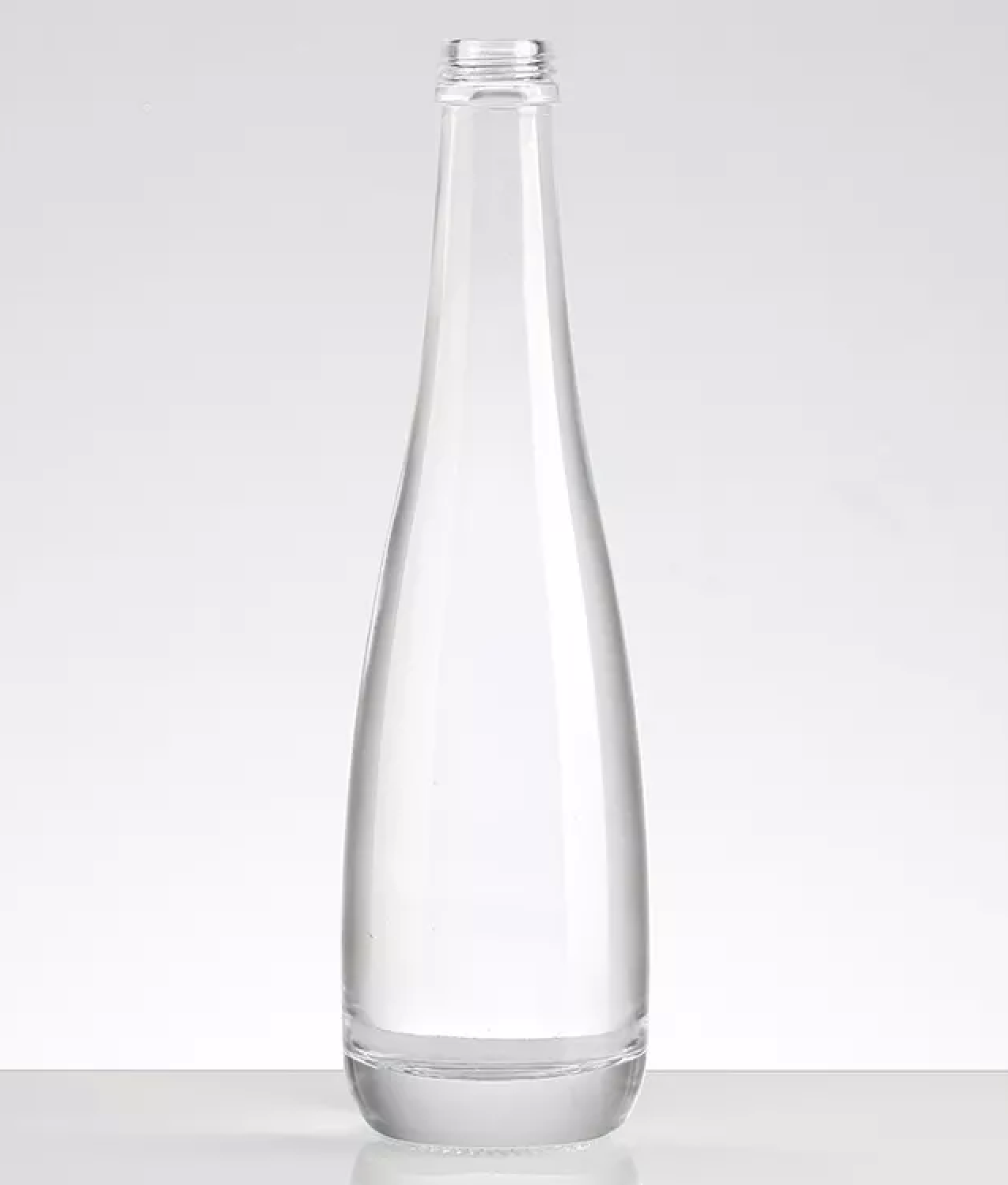
Standard molds offer significant operational strengths. Bordeaux, Burgundy, and Hock shapes dominate the industry for good reason. They provide standardized dimensions, ensuring high bottling line efficiency. Labeling machines calibrate easily to these familiar shapes. Shipping logistics become highly predictable. Standard cartons and pallets are designed specifically for these dimensions. Utilizing a standard 750ml Glass Bottle For Beverage minimizes production friction. It allows you to focus customization efforts on labels and closures.
Bottle Shape | Typical Varietals | Operational Advantage |
|---|---|---|
Bordeaux | Cabernet Sauvignon, Merlot | Straight sides allow for easy label application and tight packing. |
Burgundy | Pinot Noir, Chardonnay | Sloping shoulders reduce glass stress points during transit. |
Hock / Alsace | Riesling, Gewürztraminer | Tall profile stands out on shelves but requires taller shipping cartons. |
Proprietary molds involve strict financial realities. Tooling costs require significant upfront capital. Minimum order quantities typically exceed fifty thousand units. Design and manufacturing lead times can stretch for months. You should justify a custom mold carefully. They make sense for ultra-premium icon releases. High-volume flagship products also benefit from distinct structural assets. For most mid-tier products, stock containers offer better flexibility. You avoid tying up capital in excess empty inventory.
Alternative formats present unique technical trade-offs. Bag-in-box options offer excellent oxygen protection after opening. Aluminum cans provide supreme portability and high recycling rates. PET containers reduce shipping weight drastically. Flat paperboard designs maximize pallet space. However, you must evaluate oxygen transmission rates carefully. Shelf life varies significantly across these materials. Consumer adoption risks remain a factor in traditional markets. Evaluate these formats based on your specific target demographic and consumption occasions.
Screen printing delivers a high-end visual impact. Ceramic and organic inks fuse directly to the surface. This creates a seamless, label-less look. It offers exceptional durability compared to traditional paper. However, implementation risks exist. Scuffing during transit can ruin the aesthetic. You must also consider recycling compatibility. Some direct-to-glass inks restrict furnace-ready cullet usage. Always verify ink specifications with your manufacturing partner.
Hand-etching provides unmatched tactile appeal. Manual or semi-automated etching suits limited-edition releases well. It adds significant value to charity auction lots or high-margin allocation tiers. The process creates deep, permanent textures. Scalability limits are the primary drawback. Labor costs run high. Production lead times extend significantly. You should reserve this technique for low-volume, high-value projects where the margin absorbs the extra expense.
Sensory depth elevates a standard Wine Bottle instantly. Embossing and debossing create physical dimension. Hot foil stamping catches the light beautifully. Tactile high-build spot UV varnishes highlight specific design elements. Technical requirements for label application are strict. You must select the right adhesive for ice-bucket condensation resistance. Paper grain direction matters immensely. Incorrect grain direction causes wrinkling on curved surfaces. Work closely with your printer to ensure material compatibility.
Closures impact both function and aesthetics. Natural cork offers traditional appeal and allows micro-oxygenation. Technical corks eliminate TCA taint risks while maintaining the ritual of opening. Screw caps guarantee a perfect seal and prevent oxidation. Glass stoppers provide a premium, reusable option. Custom wax dips add a handcrafted, artisanal touch. Your closure choice directly affects oxygen ingress. It dictates shelf aging potential. Choose a closure that supports your product's intended lifespan.
Direct-to-consumer shipping requires robust protection. Corrugated cardboard shippers offer excellent structural integrity. Molded pulp inserts provide superior shock absorption. Expanded polystyrene alternatives exist but face environmental scrutiny. ISTA testing is absolutely necessary. You must verify drop-test performance. Failing to protect the product increases replacement costs. It also causes significant customer friction. Invest in certified shippers to ensure safe arrival.
Conduct ISTA 3A testing for parcel delivery system shipments.
Evaluate molded pulp inserts for sustainability and shock absorption.
Test corrugated shippers under high-humidity conditions to ensure structural integrity.
Implement void fill strategies to prevent internal movement during transit.
Multi-bottle configurations drive volume sales. Two-pack, three-pack, and six-pack carry cartons encourage larger purchases. Handle-integrated gift boxes offer convenience. Shelf-ready packaging streamlines retail restocking. These formats increase the average order volume in tasting rooms. They also perform well in retail spaces during holiday seasons. Design these packs for easy assembly. Ensure the handles can support the combined weight securely.
Premium presentation enhances the unboxing experience. Rigid board boxes offer a luxurious feel. Premium wooden crates communicate heritage and high value. Custom tubes stand out on retail displays. They work perfectly for corporate gifting and seasonal promotions. However, you must balance aesthetics with logistics. Elaborate boxes increase dimensional weight shipping charges. Calculate freight impacts before finalizing oversized presentation packaging.
Preventing damage during transit requires attention to detail. Label scuffing ruins the presentation. Capsule damage looks unprofessional. Implement practical mitigation strategies. Protective tissue wraps offer a simple barrier. Poly sleeves prevent friction between adjacent items. Specific insert tolerances keep the product immobilized. A tight fit prevents movement inside the carton. Test your secondary packaging thoroughly before full-scale deployment.
The industry is pushing toward lighter containers. Reducing weight below 420 grams significantly lowers Scope 3 emissions. These emissions relate to manufacturing and distribution. Lighter glass requires less energy to melt. It allows more units per truckload. This reduces fuel consumption during freight. Lightweighting is the most effective way to improve your environmental footprint. It also provides immediate logistical benefits.
Using post-consumer recycled glass offers major environmental benefits. High cullet percentages reduce the energy needed for melting. This lowers greenhouse gas emissions at the plant level. You must accept slight aesthetic variations. High recycled content can cause minor color inconsistencies. These variations are usually negligible. Many consumers view them as proof of sustainable practices. Embrace these minor imperfections as part of your brand's environmental story.
Extended Producer Responsibility laws are reshaping the industry. These regulations shift end-of-life disposal fees to beverage brands. Container deposit schemes are expanding globally. Your packaging material choices directly impact compliance fees. Highly recyclable materials incur lower penalties. Complex, multi-material designs often face higher fees. Stay informed about emerging EPR legislation in your target markets. Design your packaging to minimize future compliance liabilities.
The most successful packaging balances artistic brand differentiation with rigorous supply chain efficiency. Environmental compliance is now a baseline requirement. You must weigh visual impact against logistical realities. Categorize your packaging strategy by product tier. Use standard stock with premium label embellishments for entry-level and mid-tier products. Reserve custom molds or screen printing for reserve and icon tiers.
Audit your current freight weights to identify lightweighting opportunities.
Request physical samples and dielines from vendors to verify structural integrity.
Conduct trial runs on your existing bottling equipment before committing to large purchase orders.
Review local EPR regulations to ensure your packaging materials remain compliant.
A: A standard 750ml container typically measures around 11.5 to 12 inches in height with a base diameter of 3 to 3.2 inches. Traditional weights range from 500g to 900g, but modern lightweight alternatives now weigh between 390g and 420g to improve freight efficiency and reduce carbon emissions.
A: E-commerce packaging should undergo ISTA testing. This involves standardized drop tests from specific heights, vibration testing to simulate truck transit, and compression testing. Passing these tests ensures the packaging can withstand the rigors of courier networks without breakage.
A: The safest method utilizes molded pulp inserts or custom-engineered corrugated cardboard shippers. These materials suspend the product, preventing impact against the outer box walls. They absorb shock effectively and comply with major courier shipping standards for fragile liquids.
A: Custom glass molds usually require MOQs of 50,000 to 100,000 units due to high tooling and setup demands. In contrast, custom paper labels printed digitally can have MOQs as low as 500 to 1,000 units, making label customization highly accessible for smaller production runs.
A: It depends on the ink used. Ceramic inks fused at high temperatures are generally accepted in standard recycling streams. However, some organic inks or heavy metallic applications can contaminate the cullet supply. Always verify the recyclability of specific inks with your printing partner.
A: A stock bottle is a pre-designed, mass-produced shape available to anyone, offering low MOQs and fast lead times. A custom mold is proprietary to your brand. Upgrading is justified for ultra-premium tiers or high-volume flagship products where unique structural branding drives significant market differentiation.


